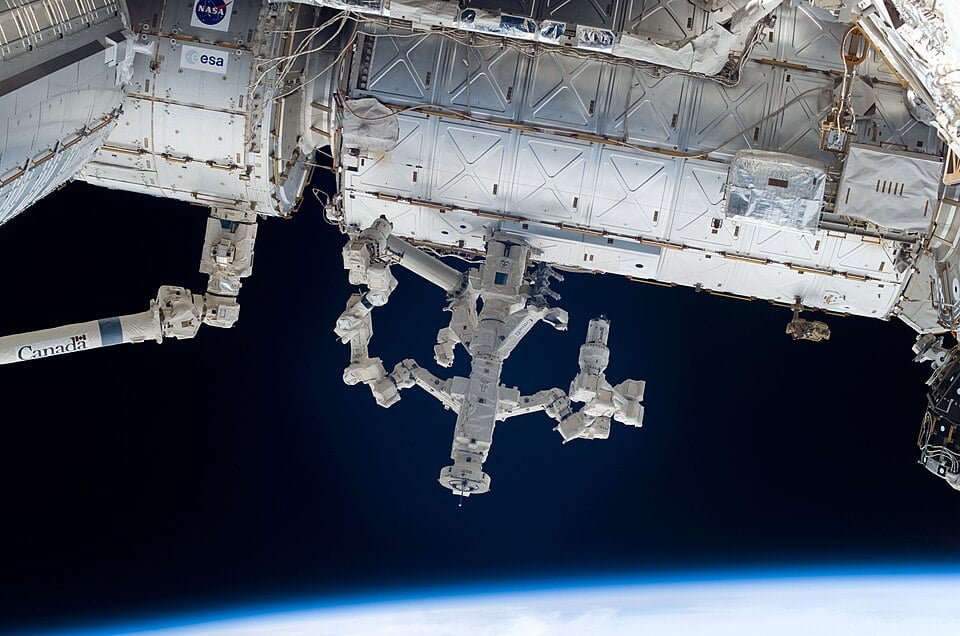
Physicist Dr. Slava Turyshev argues that robotic maintenance will be essential for the operation of space-based data centers, as human intervention is impractical.
EUSPA has released the fourth part of its EU Space Market Report, focusing on the evolution of secure satellite communications and Space Situational Awareness.
Data centers and AI · Servicing and debris · Universe Today · 2d ago
A study by JPL physicist Dr. Slava Turyshev argues that robotic maintenance will be essential for the operation of space-based data centers, as human intervention is impractical.
Manufacturing and biotech · Servicing and debris · European Spaceflight · 2d ago
Astroscale discusses the necessity of evolving space sustainability measures to keep up with the increasing number of data center satellites being launched into orbit.
Shammi Thakur discusses how AI can help identify orbital hazards but emphasizes that trustworthy collision assessment requires reliable tracking data and specific operational requirements.
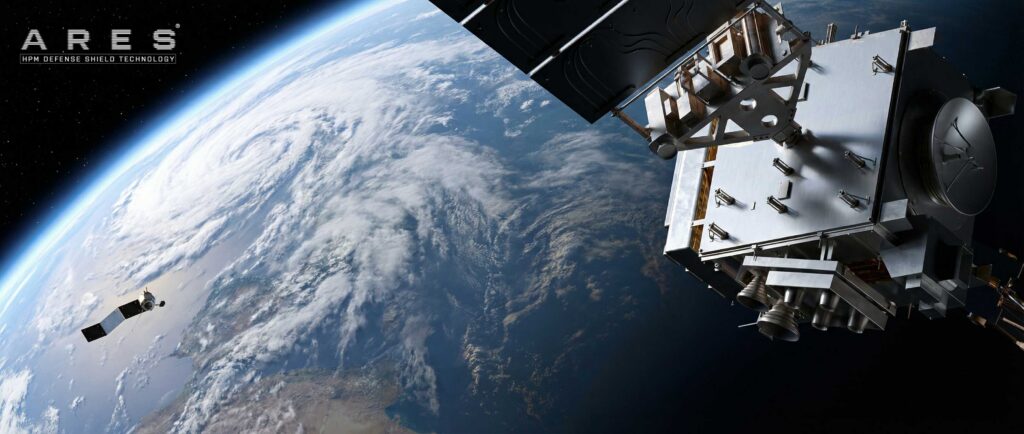
Polish space defense company ARES Shield AI successfully tested its object detection software aboard a D-Orbit spacecraft, identifying a passing object using existing satellite hardware.
InspeCity is promoting a shift in the space economy from launch-centric models toward the sustainable maintenance, repair, and manufacturing of assets already in orbit.
Marius Klimavičius of Blackswan Space discusses orbital defense and the risks of satellite stalking, citing a recent incident where a Russian satellite maneuvered near an Iceye satellite.
Quantum Space has finalized its SPAC merger and will begin trading on the New York Stock Exchange. The company focuses on orbital mobility and space defense.
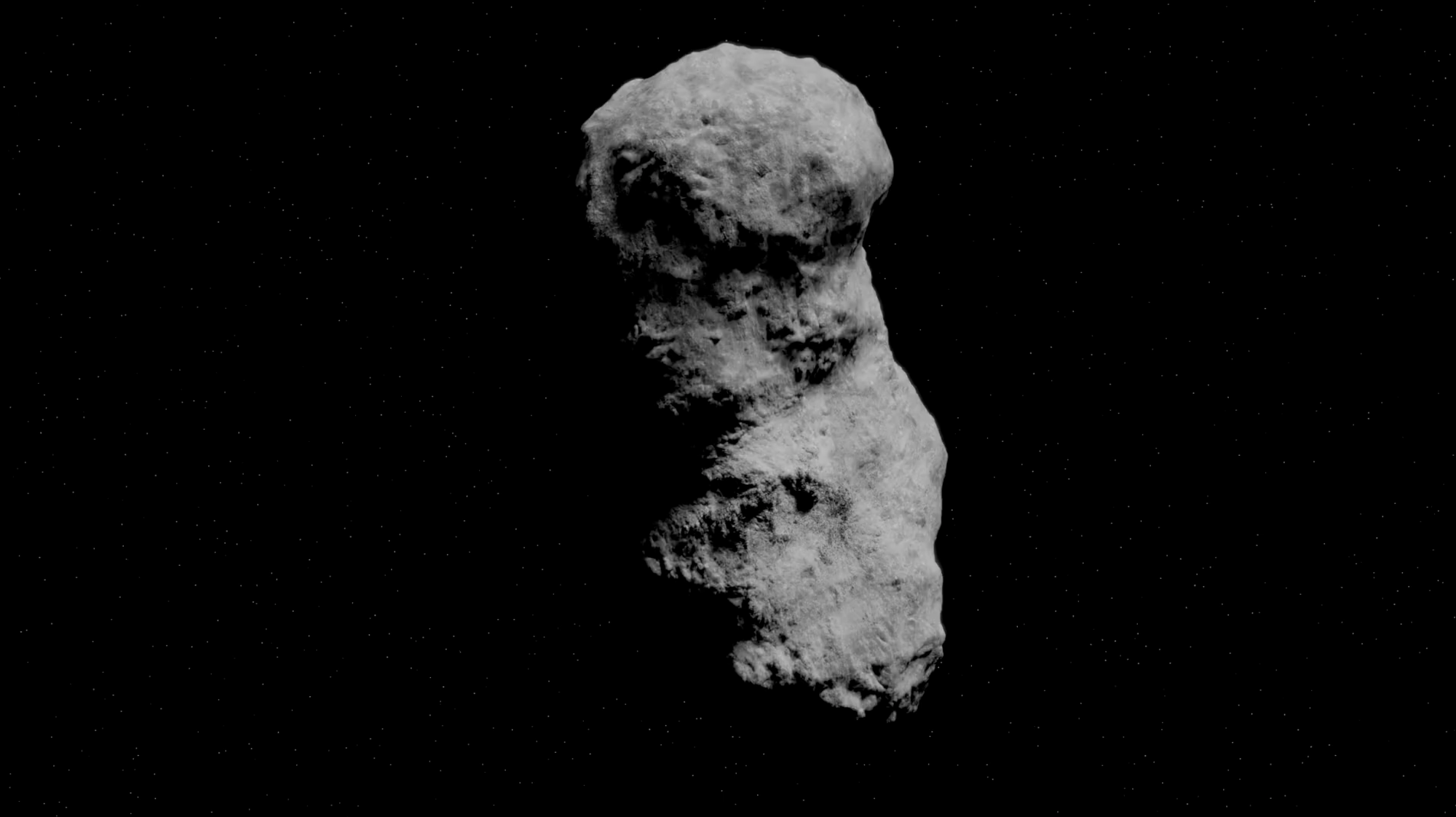
Karman+ is developing a business to sell fuel in space, focusing on utilizing water from asteroids to reduce the cost of launching resources from Earth.
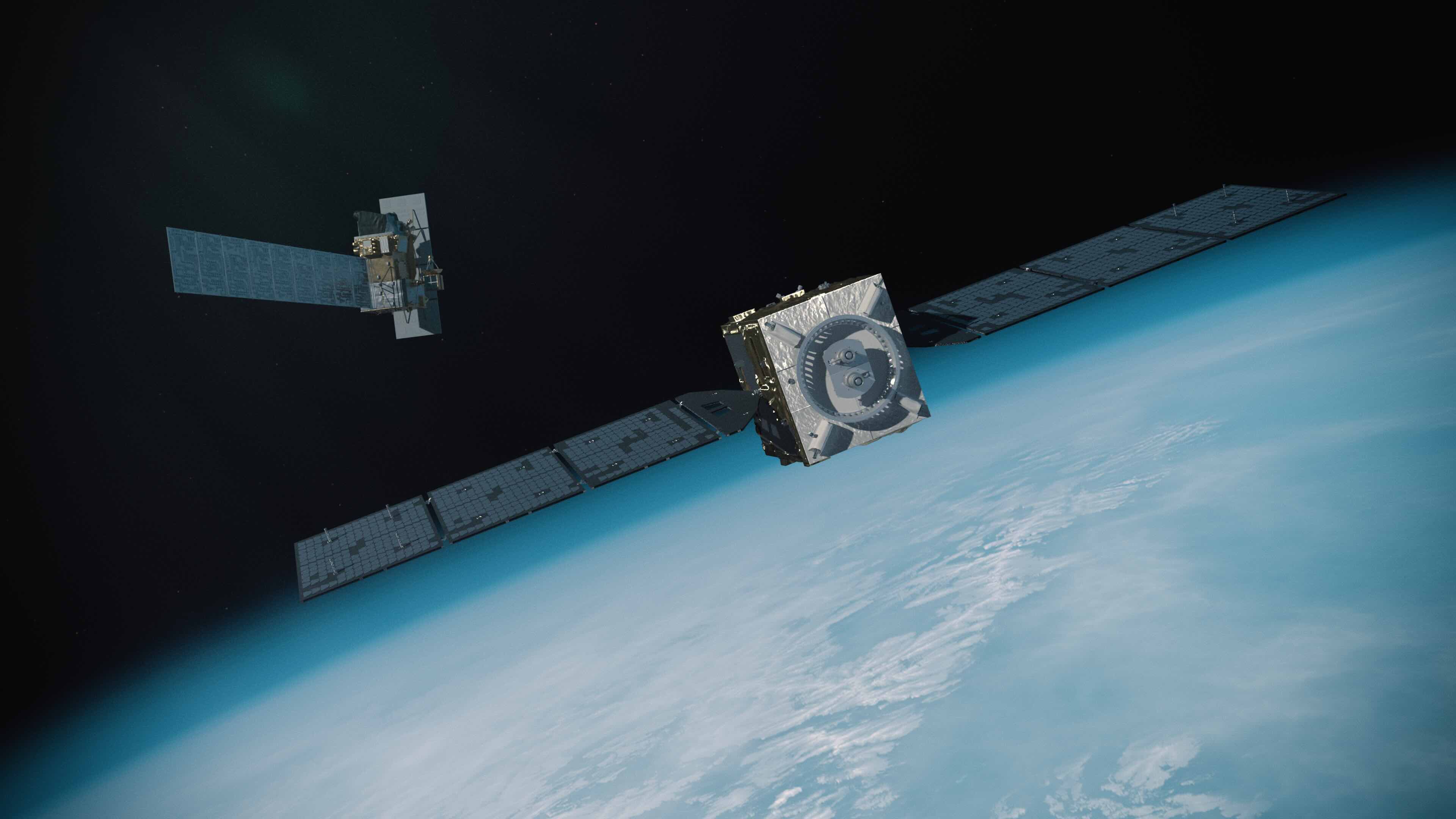
US company Turion plans to launch satellites to geostationary orbit to test technologies for space reconnaissance, inspection, and refueling to extend the lifespan of existing satellites.
Polish company Scanway and German Vyoma are developing the Flamingo Hosted Payload (FlaHOP) system to track space debris and satellites. The optical sensors will be hosted on ten Kepler Communications satellites starting in October 2028.
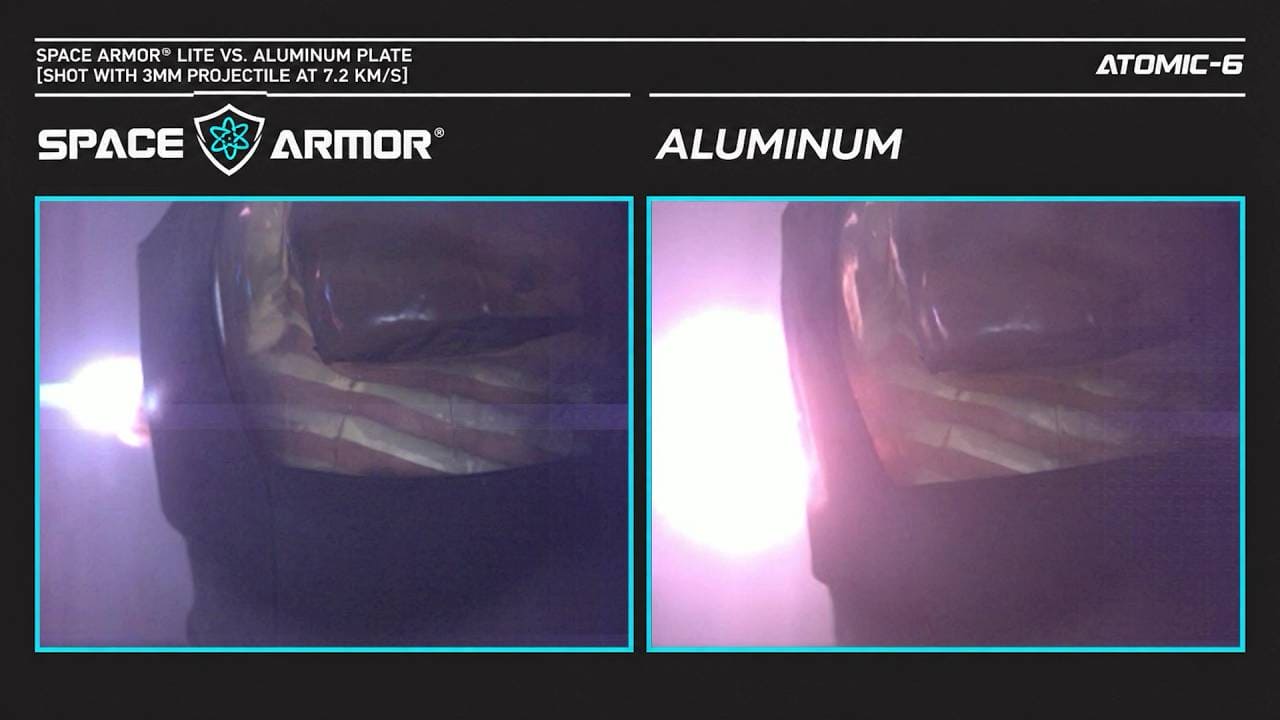
Composite manufacturer Atomic-6 has conducted collision tests on its 'Space Armor' protective tiles, designed to shield satellites and astronauts from space debris.
Atomic-6 is investigating whether its debris-shielding tiles, originally designed for satellites, can be used to protect astronauts during spacewalks from untrackable debris.
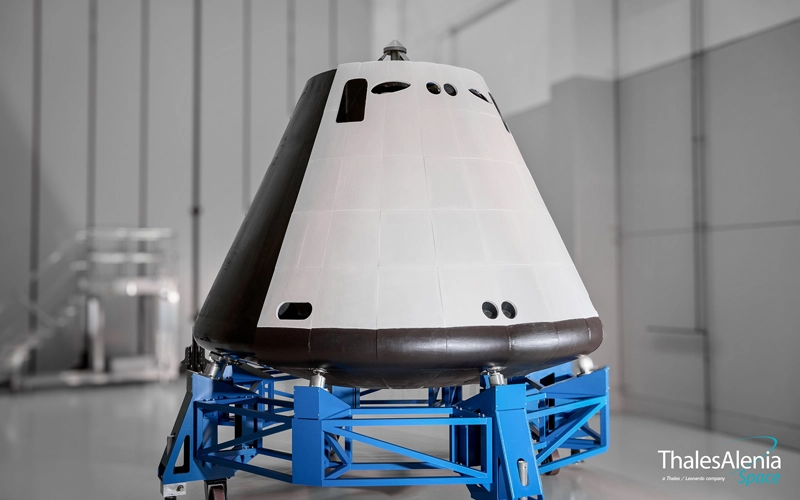
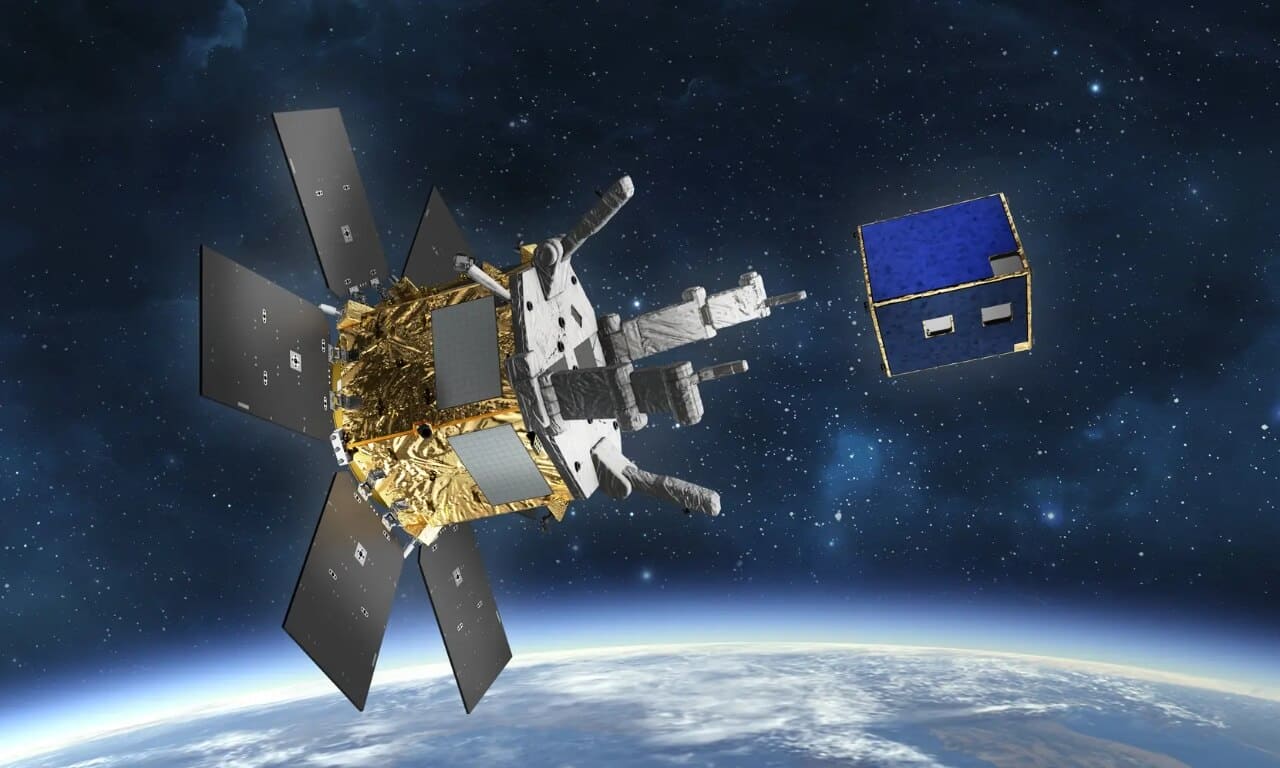
The European Space Agency and OHB have signed a contract to manufacture the ClearSpace-1 spacecraft. The mission to remove space debris is scheduled for launch in 2030.
The European Space Agency has appointed OHB System AG as the prime contractor for the ClearSpace-1 debris removal mission in a deal worth 102 million euros.
Servicing and debris · European Spaceflight · 9d ago
The European Space Agency has contracted OHB to build the ClearSpace-1 spacecraft, which will be used to capture and remove the Proba-1 satellite from orbit.
LEAP has signed a contract to provide three dedicated launches for Spargo Space to demonstrate autonomous cryogenic orbital propellant transfer technologies.
London-based startup Foundational has developed Retro-2, a passive laser retroreflector to improve the tracking of satellites and space debris. The technology has already undergone initial orbital testing in collaboration with the ESA.
OHB has been awarded a contract from the European Space Agency to develop Europe's first active space debris removal mission, ClearSpace-1, designed to capture and remove a satellite from orbit.
King Charles III is promoting the Astra Carta, a voluntary set of principles aimed at making near-Earth space exploration safer and more sustainable by addressing space debris and satellite coordination.
Astroscale explores how SpaceX's Starship vehicle could transform the future of space operations, specifically regarding satellite servicing and sustainability.
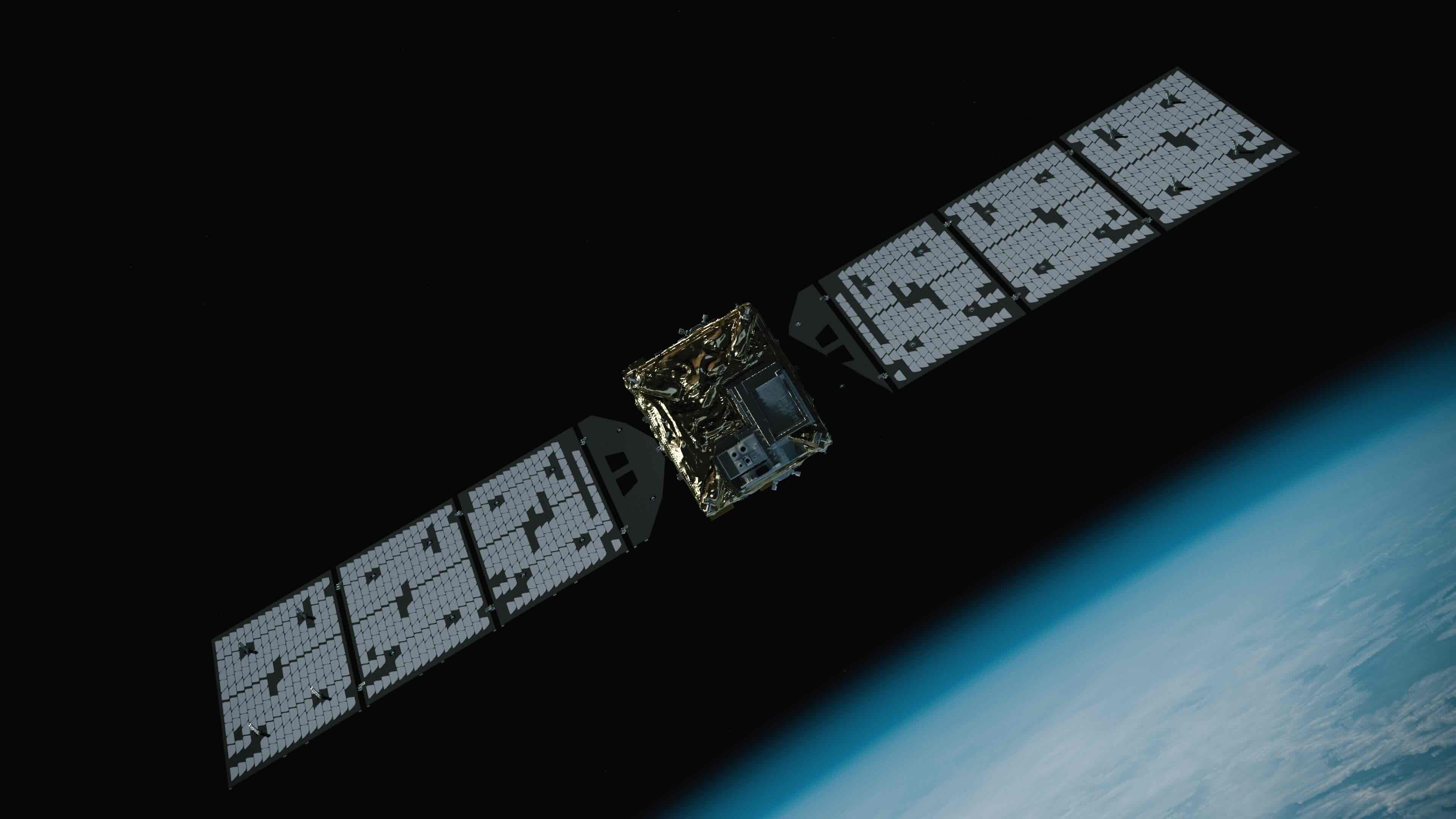
Turion Space has passed the Critical Design Review for its GEO Space Domain Awareness spacecraft. The vehicles, developed under a STRATFI agreement, are now cleared for assembly and integration ahead of a 2028 mission.
The European Space Agency has upgraded its Izaña station in Spain by adding a second laser ranging facility to improve the tracking of space debris and other non-cooperative orbital objects.
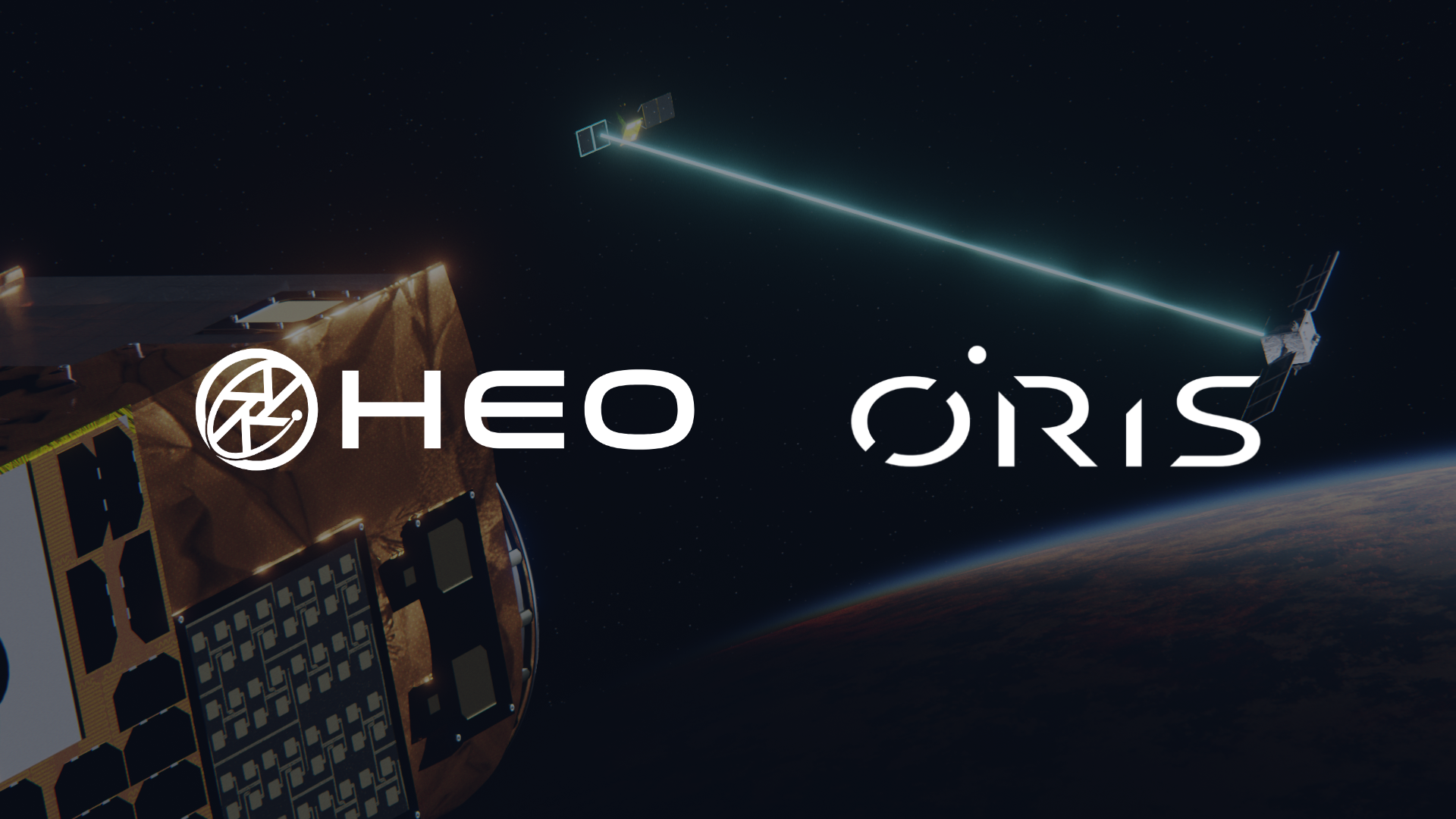
HEO and ORiS have signed an MoU to develop satellite detection and tracking capabilities. The collaboration aims to support future in-orbit wireless power transmission using HEO's space-based imaging and ORiS's laser technology.
Obruta Space Solutions contracted with Northern Ireland's Resonate Testing to conduct vacuum, vibration, and shock testing on spacecraft docking hardware.