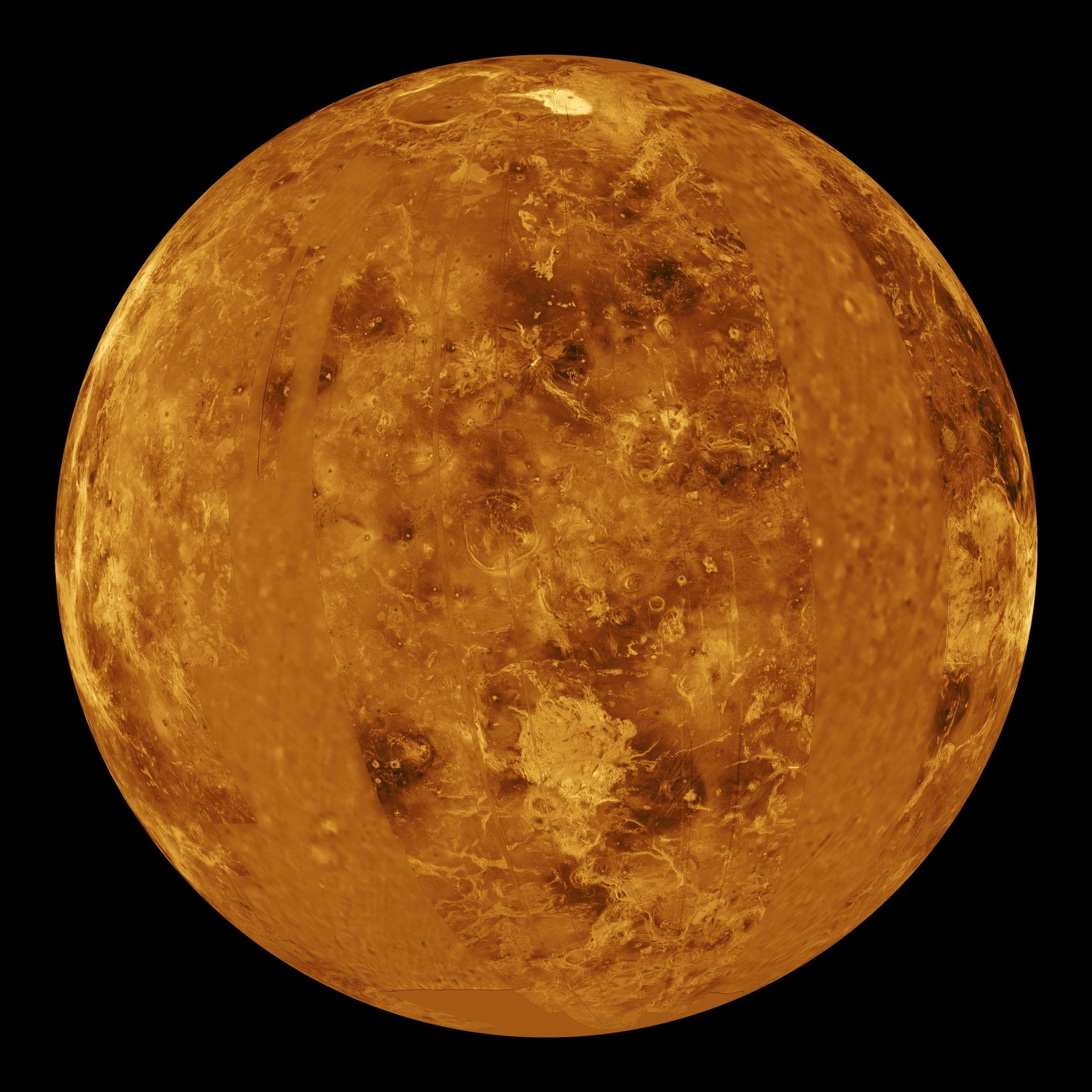
A new paper in The Planetary Science Journal examines how the surface of Venus may hide evidence of its historical water content, providing context for upcoming missions to the planet.
The Event Horizon Telescope collaboration has produced high-resolution images of relativistic jets emanating from the supermassive black holes in M87* and 3C 84.
Researchers are evaluating the viability of growing strawberries, cucumbers, and lemon basil to provide fresh nutrition for astronauts on future deep space missions.
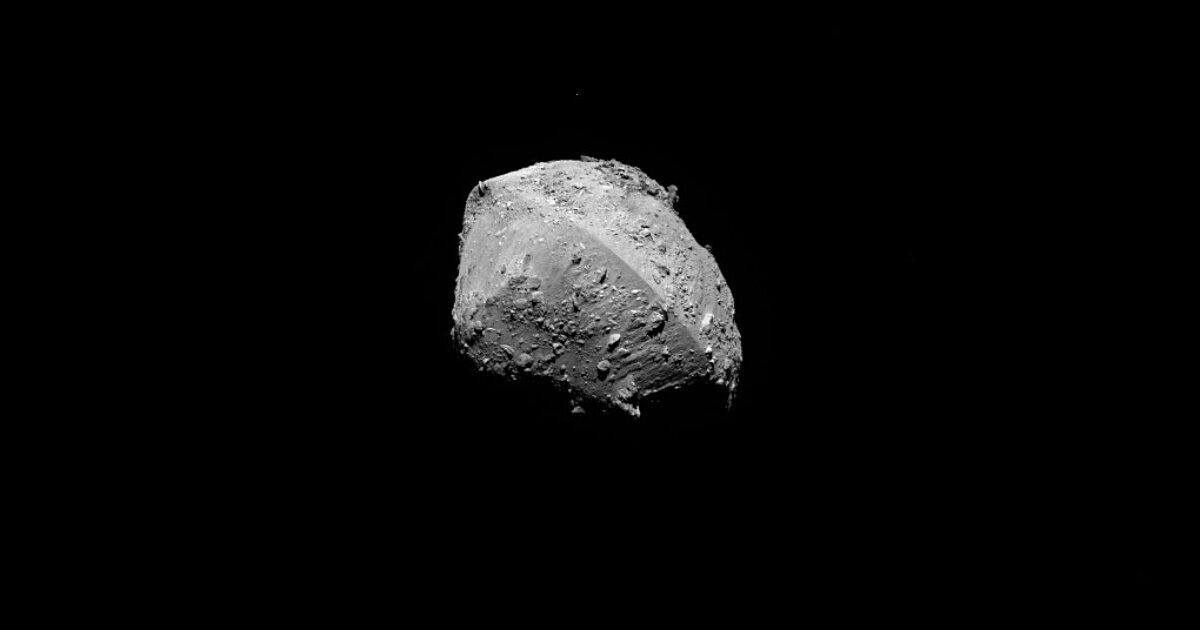
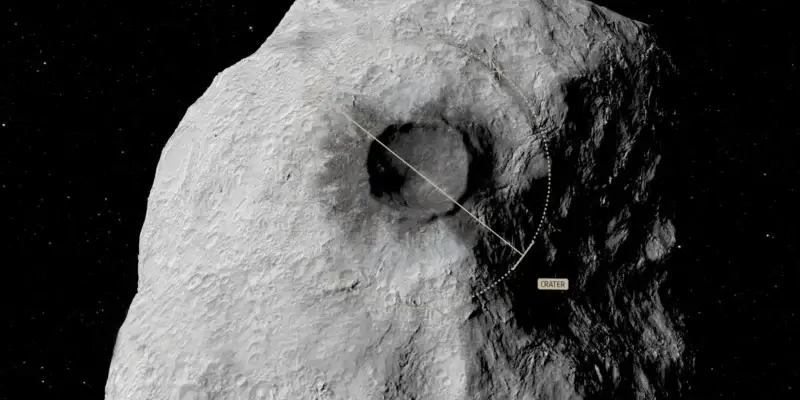
The Hera mission has discovered a stadium-sized crater and chaotic tumbling on the asteroid Dimorphos following a previous spacecraft impact experiment.
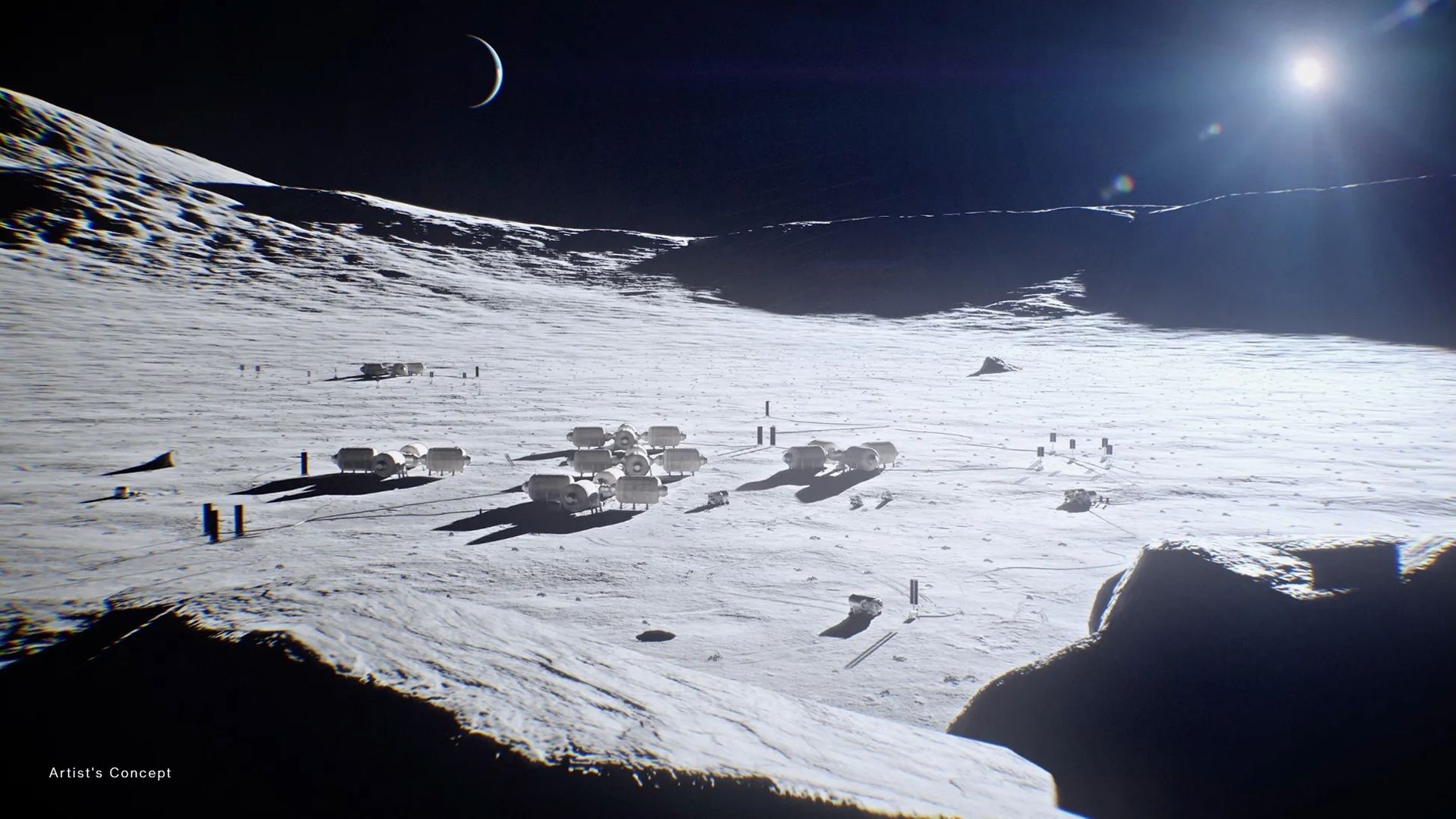
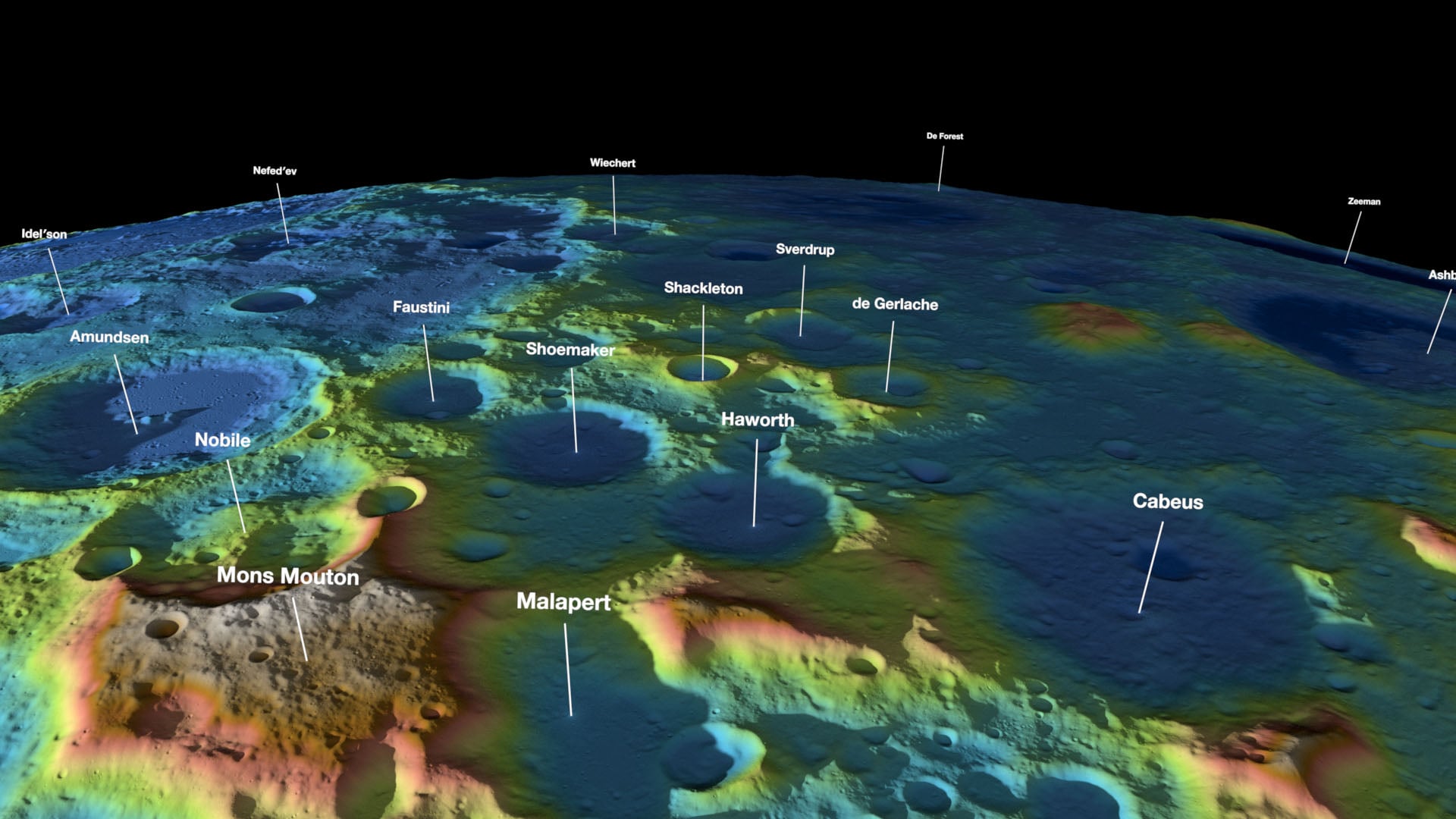
Scientists from the Chinese Academy of Sciences created a mathematical model to determine the age and degradation of lunar craters, testing it on 140 sites in the Chang'e-6 landing area.
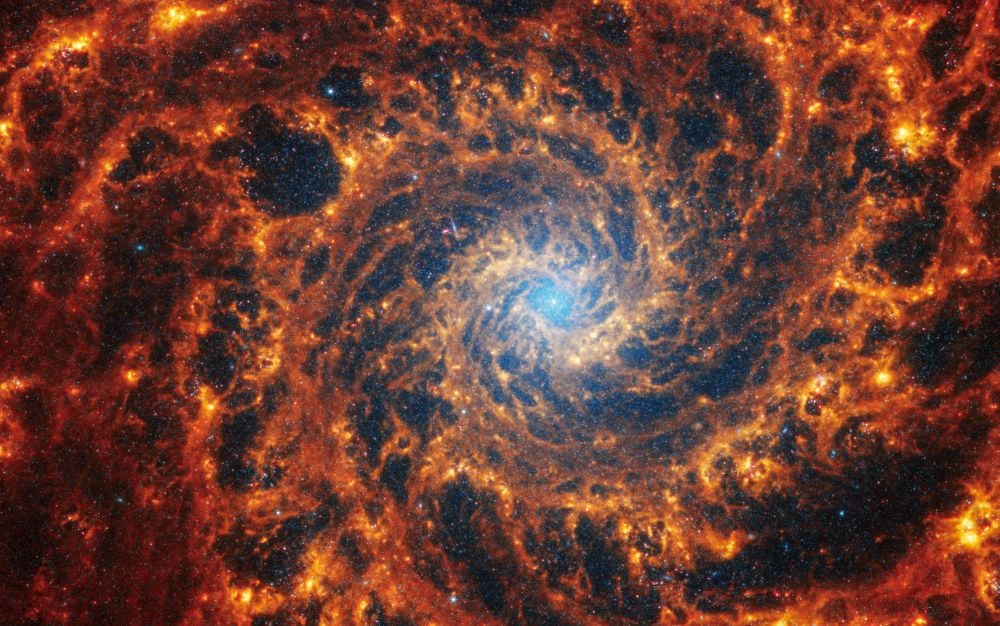
A study of 136 nearby galaxies reveals that their inner regions contain less dark matter than current cosmic simulations suggest, challenging existing models of galaxy formation.
Astronomers have discovered the faintest supernova to date, which remained visible for an unusually long period. The event likely resulted from a white dwarf and a small companion star.
Astronomers using the MUSE instrument and MeerKAT telescope discovered that the dwarf galaxy UGCA 320 has an unusually large dark matter core, potentially contradicting current cosmological predictions.
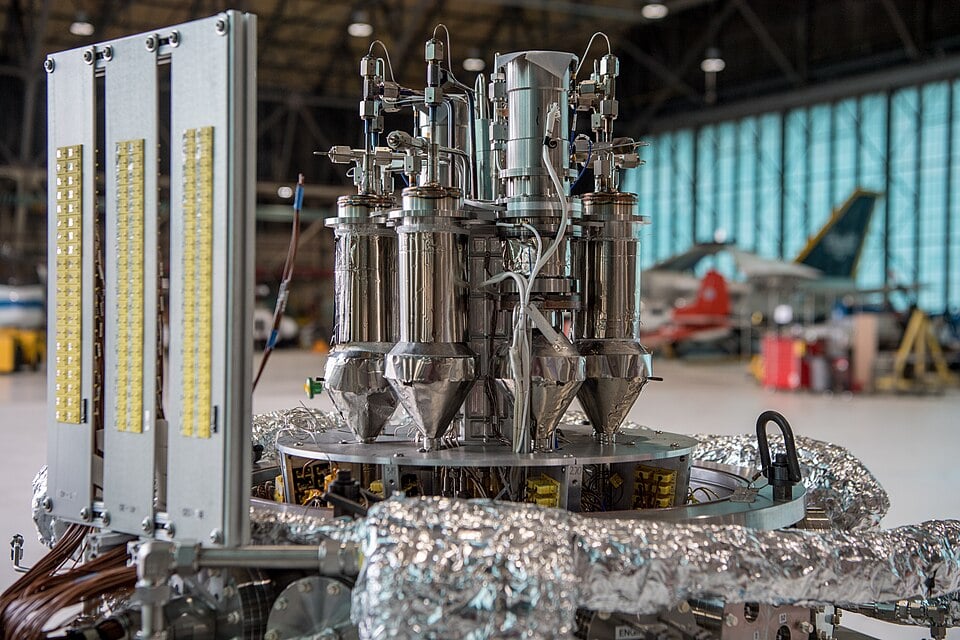
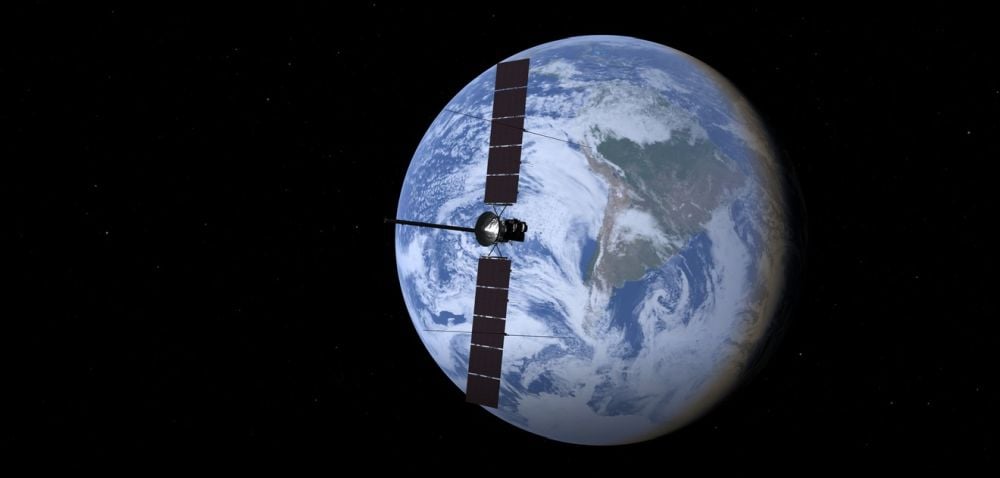
Dr. Slava Turyshev of NASA's JPL examines whether solar panels or nuclear reactors are more efficient for powering space-based data centers, noting that the choice depends on specific mission requirements and weight constraints.
The Hera mission is examining the results of the planetary defense experiment on the asteroid Dimorphos, revealing unexpected crater sizes and surface debris.
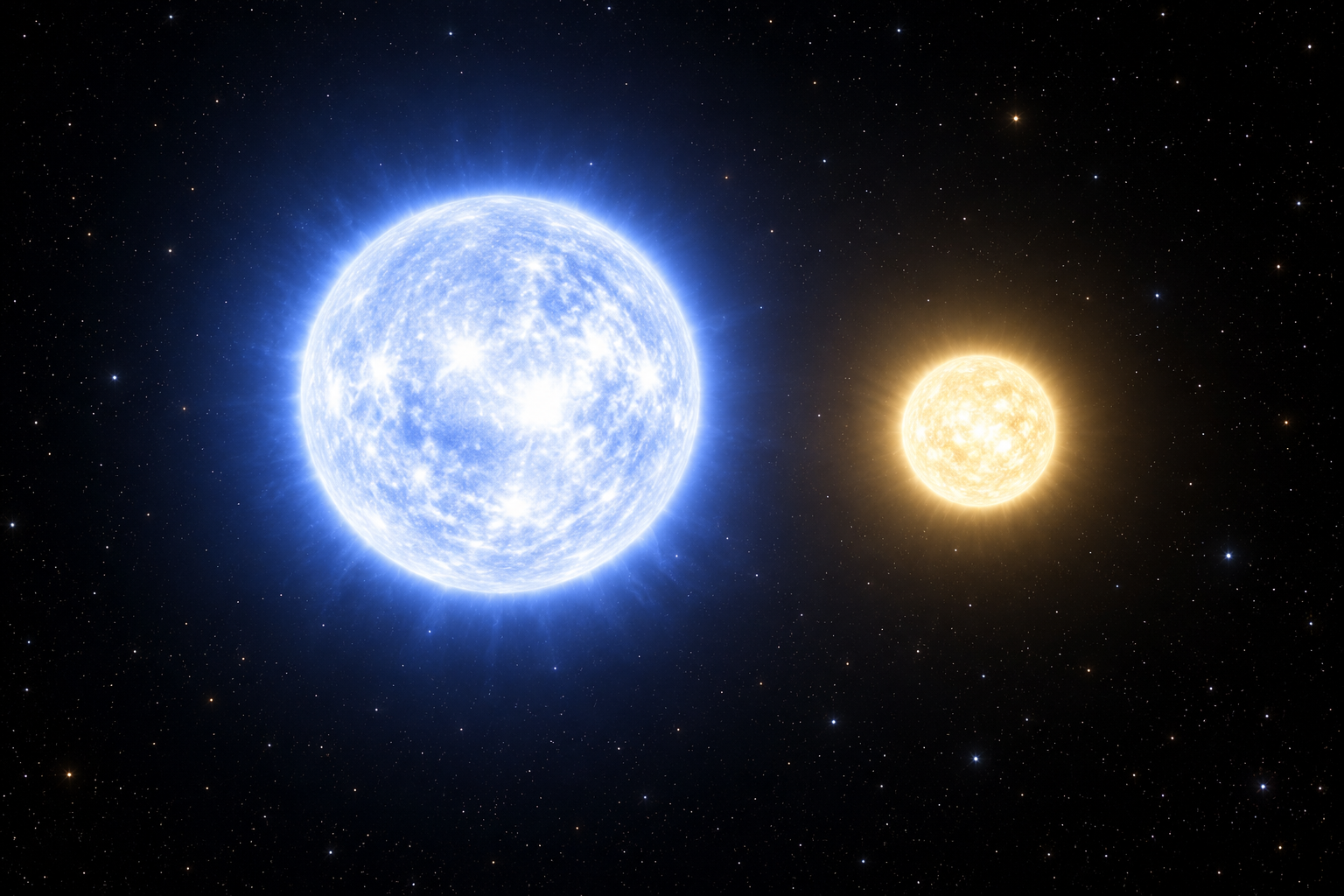
Astronomers from the Chinese Academy of Sciences have identified a binary star system within a field used for calibrating the James Webb Space Telescope's optics.
Astrophysicists at the University of Liège have developed a new mathematical approach using Markov chains to better model chemical processes on ice-covered dust grains in interstellar space.
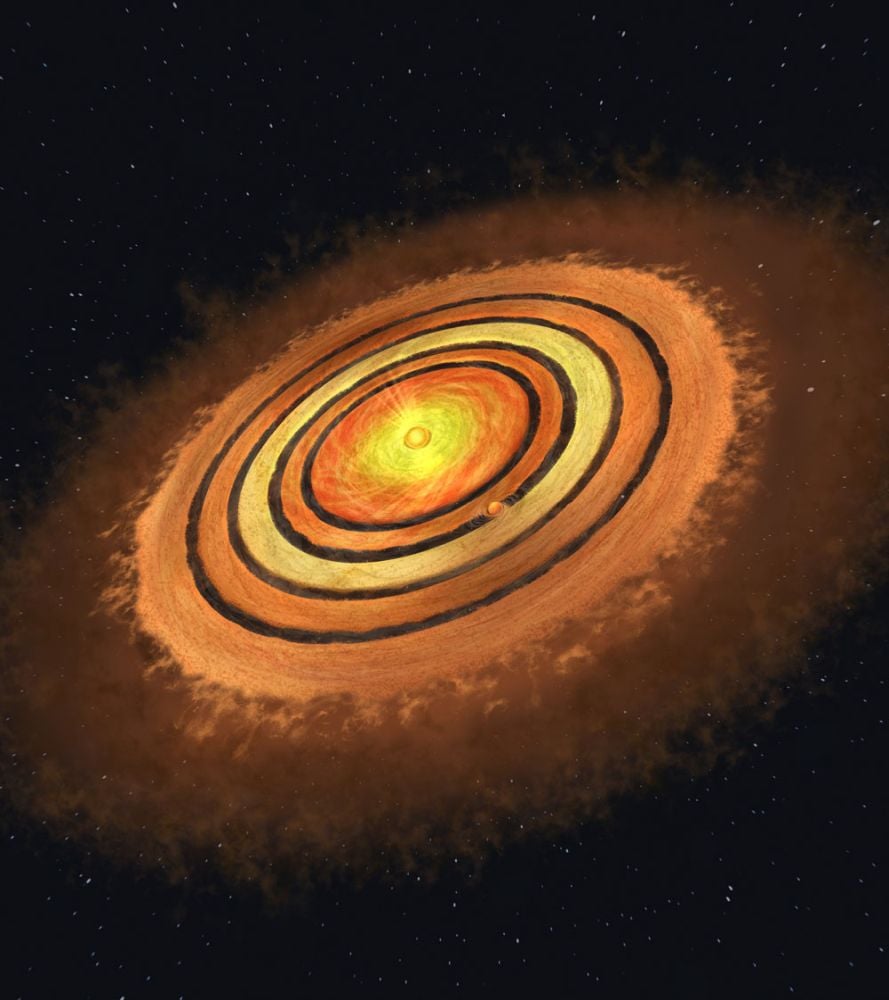
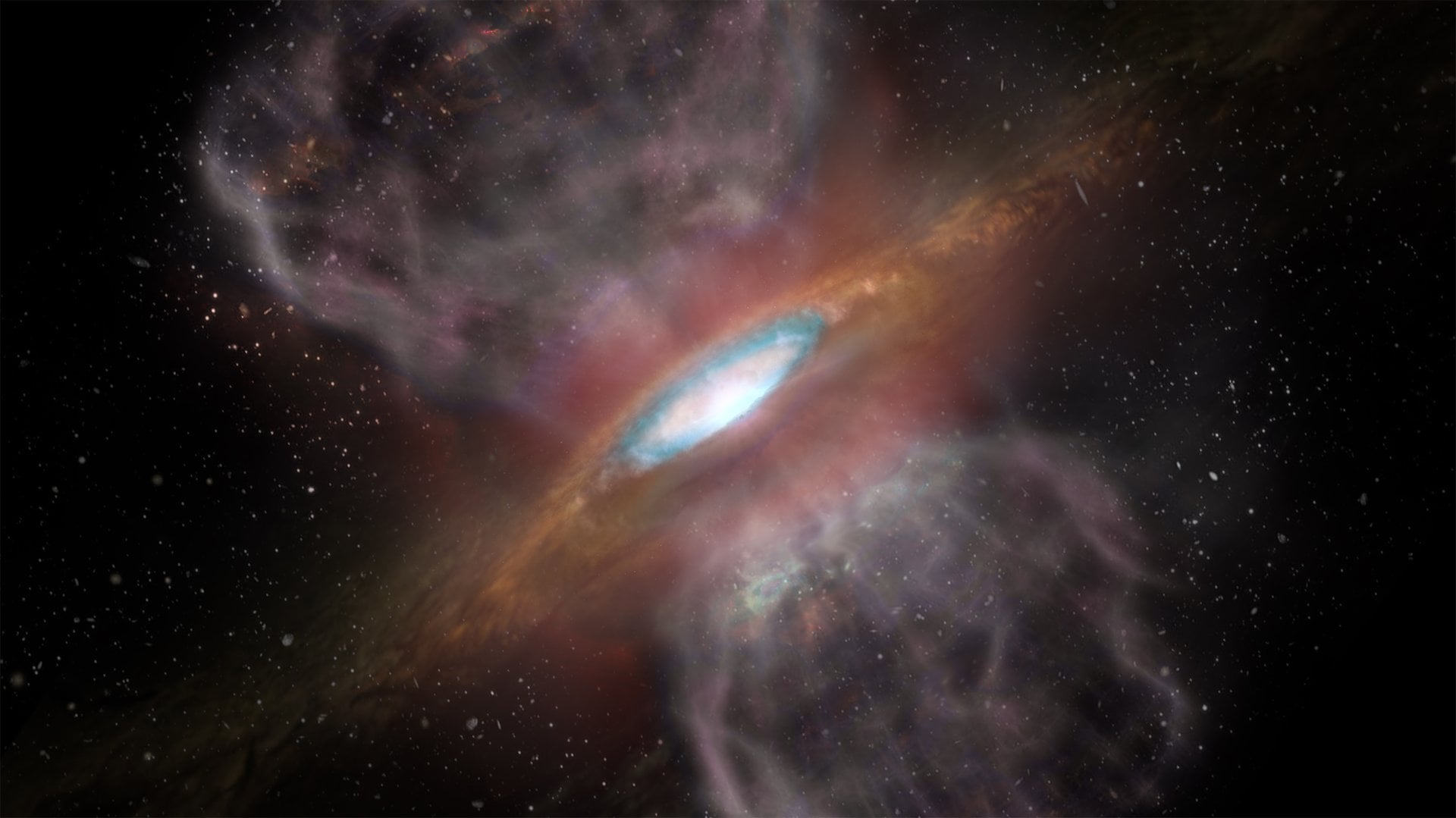
Astronomers have detected titanium oxide in gas form around a young, massive star for the first time, providing insight into the earliest stages of solar system development.
Analysis of samples from the Chang'e-6 mission and data from Chang'e-4 provides a detailed geological history of the South Pole-Aitken basin, one of the Moon's largest and oldest impact craters.
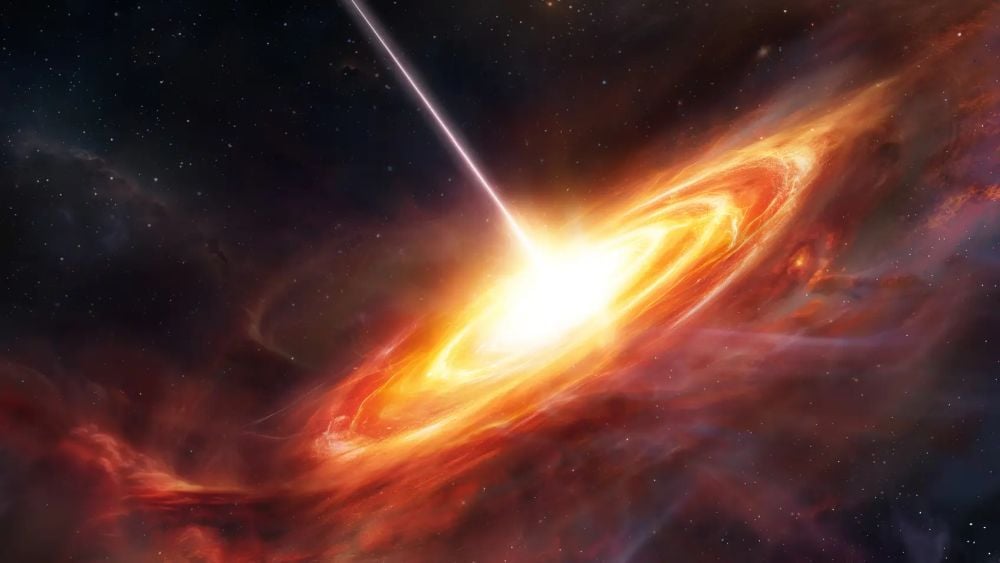
The ESA's Euclid Space Telescope has detected a quasar from approximately 630 million years after the Big Bang, setting a new record for the most distant quasar found.