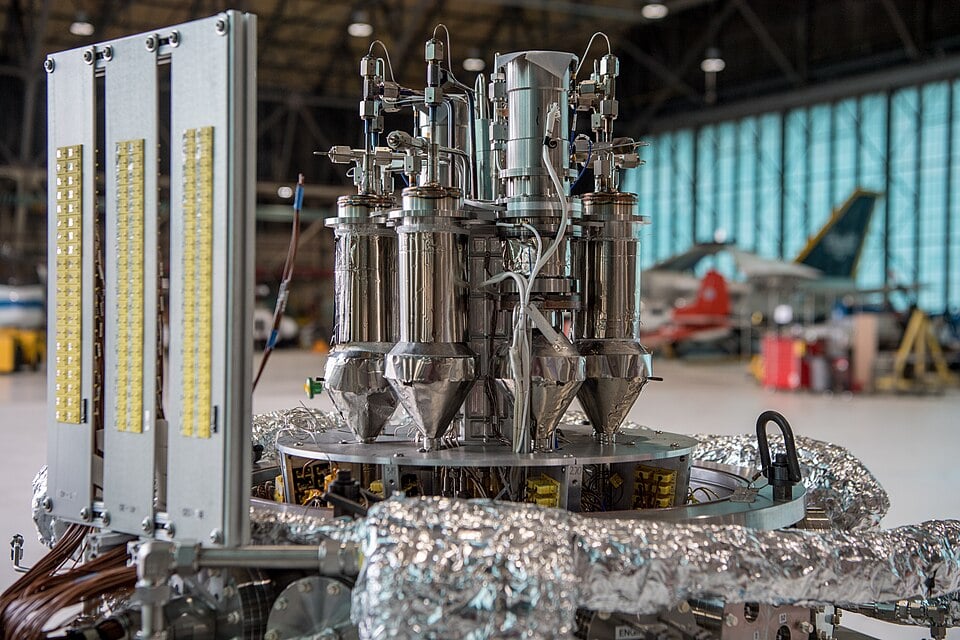
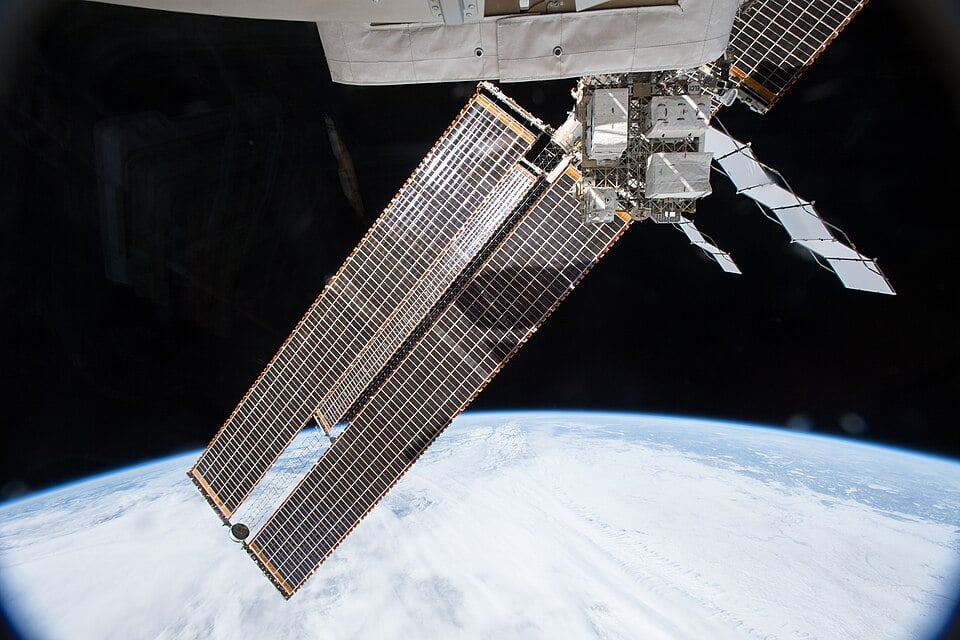
Dr. Slava Turyshev of NASA's JPL is examining whether solar panels or nuclear reactors are the most efficient power sources for space-based data centers, specifically considering weight constraints.
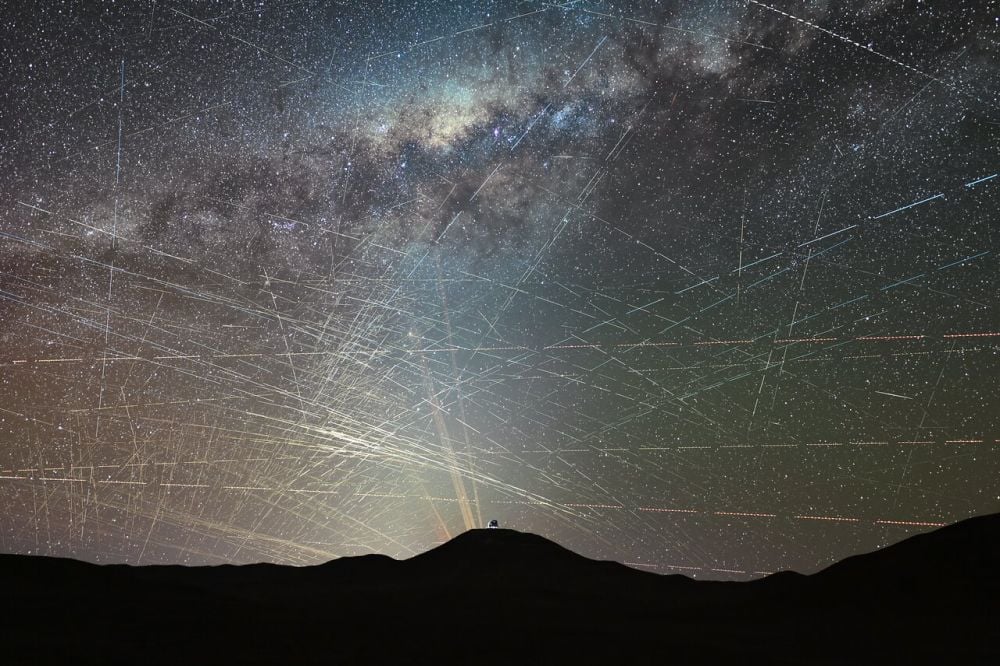
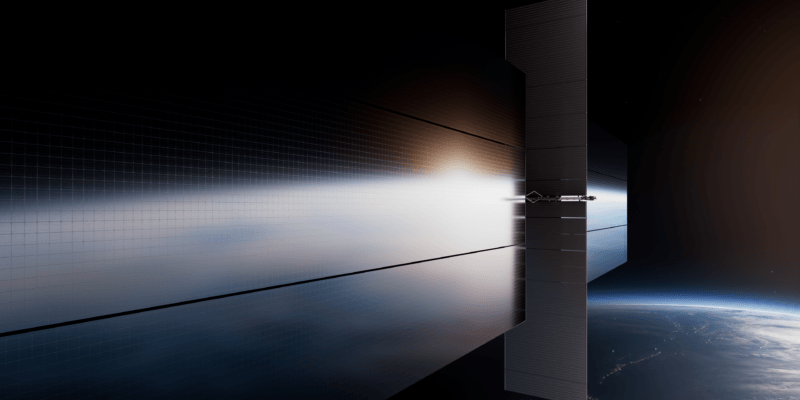
The European Southern Observatory has warned that SpaceX's proposed Starmind AI system, which would add 1 million satellites to orbit, poses a serious threat to astronomy and general safety.
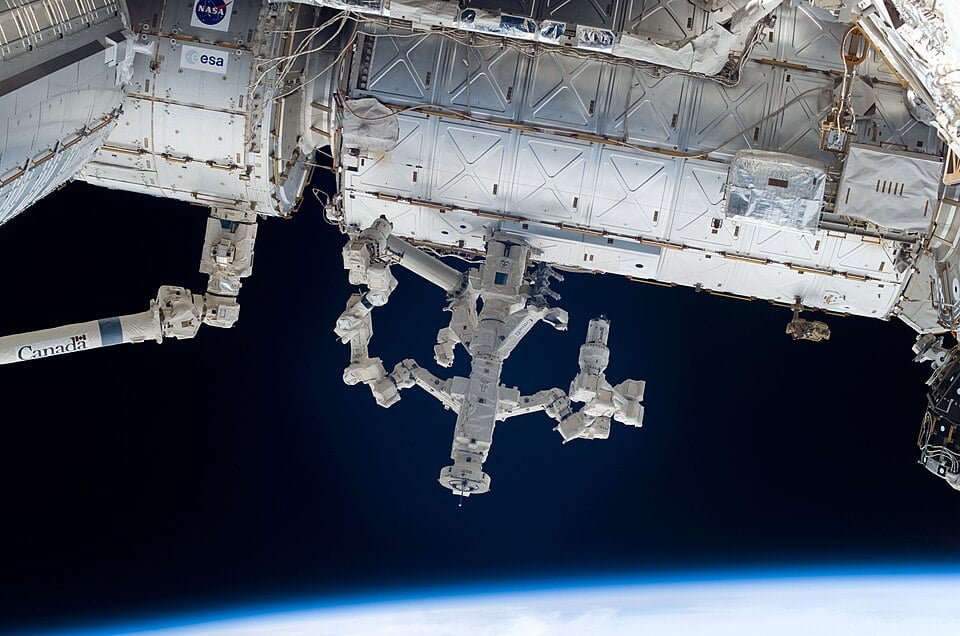
Physicist Dr. Slava Turyshev argues that robotic maintenance will be essential for the operation of space-based data centers, as human intervention is impractical.
Dr. Slava Turyshev of NASA's JPL examines whether solar panels or nuclear reactors are more efficient for powering space-based data centers, noting that the choice depends on specific mission requirements and weight constraints.
Data centers and AI · Klepsydra Technologies · 1d ago
Klepsydra AI has released software that allows high-performance AI and data processing to run on Frontgrade Gaisler's GR740 radiation-hardened processors for space systems.
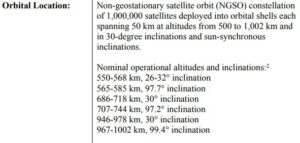
The Federal Communications Commission has granted SpaceX permission to launch and operate a constellation of up to 1 million Starmind AI satellites by 2040.
A study by JPL physicist Dr. Slava Turyshev argues that robotic maintenance will be essential for the operation of space-based data centers, as human intervention is impractical.
Data centers and AI · Servicing and debris · Astroscale · 2d ago
Astroscale discusses the necessity of evolving space sustainability measures to keep up with the increasing number of data center satellites being launched into orbit.
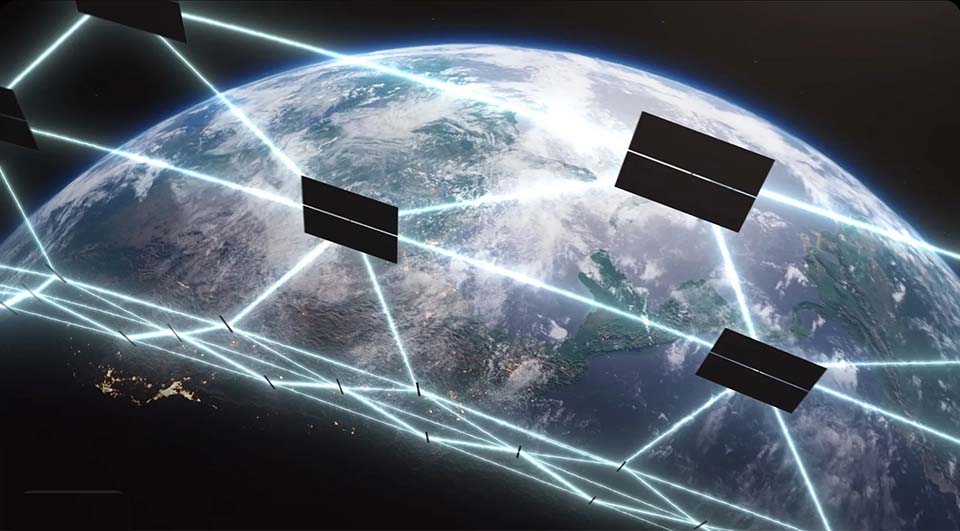
The FCC has granted SpaceX permission to deploy up to 1 million satellites to establish data centers in space, a move that has drawn skepticism from the scientific community.
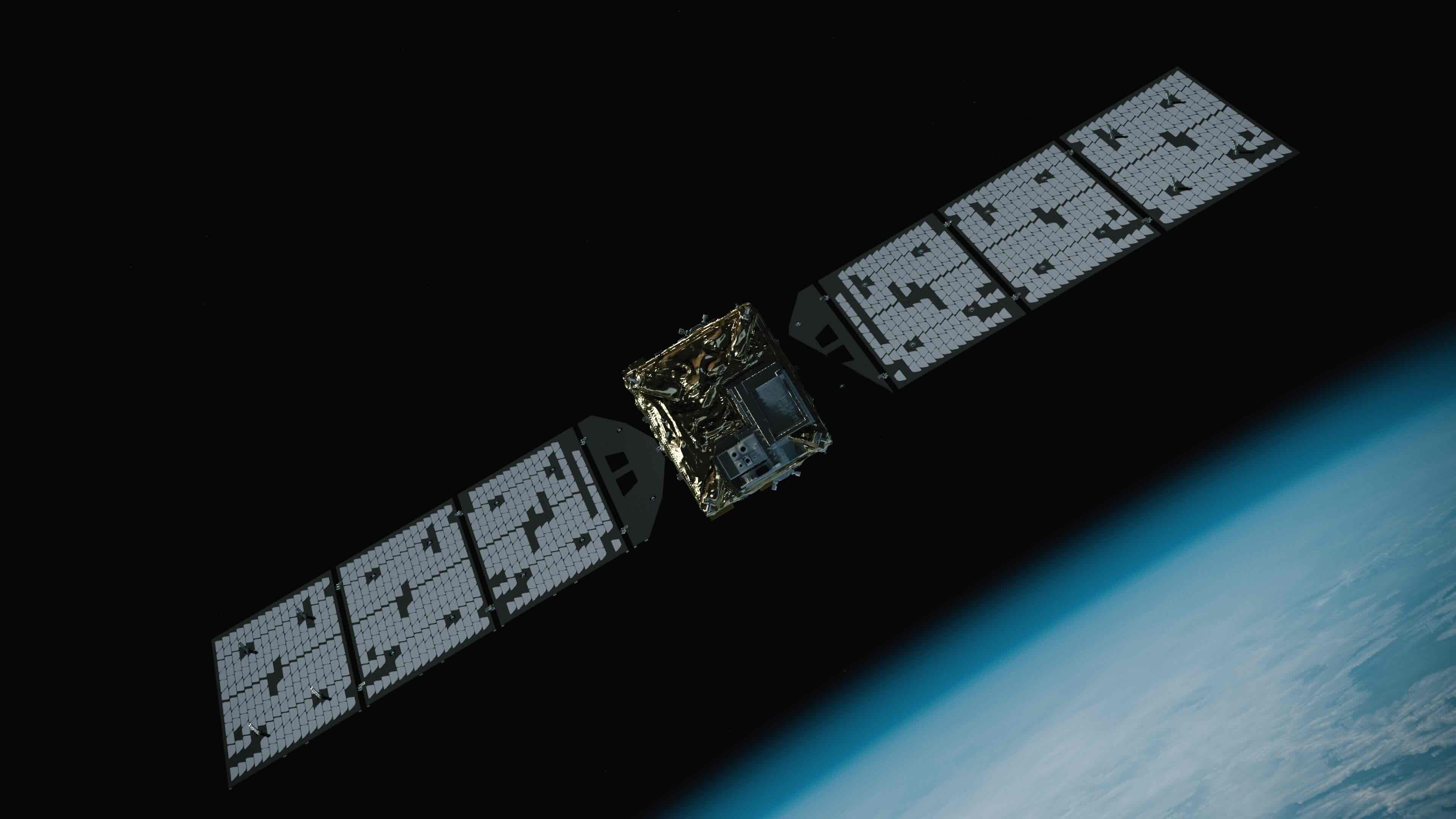
The US Federal Communications Commission has granted conditional authorization for SpaceX to launch up to one million satellites for its Starmind orbital data center network.
The FCC has allowed SpaceX to deploy the Starmind constellation, consisting of up to one million satellites designed to act as orbital data centers for AI computing.
The FCC has authorized SpaceX to deploy a constellation of 1 million Starmind data center satellites, with the first launch required by 2033 and full operation by 2040.
The FCC has approved SpaceX's proposal to deploy AI data centers in space, dismissing regulatory concerns regarding potential interference with scientific research.
Dr. Slava Turyshev of NASA's JPL argues that current plans for space-based AI data centers overlook critical physical constraints, making such ventures impractical with current technology.
Rivada Networks' CSO Diederik Kelder discusses the role of the Outernet in providing secure transportation for AI models and enhancing cybersecurity in an autonomous future.
Dr. Hamdullah Mohib discusses how AI-enabled satellites and shared access to space infrastructure can accelerate the commercialization of new space-based ideas.
Taiwanese company Phison Electronics has unveiled SSDs designed for private spacecraft and orbital data centers, aiming to provide up to 488TB of storage capacity.
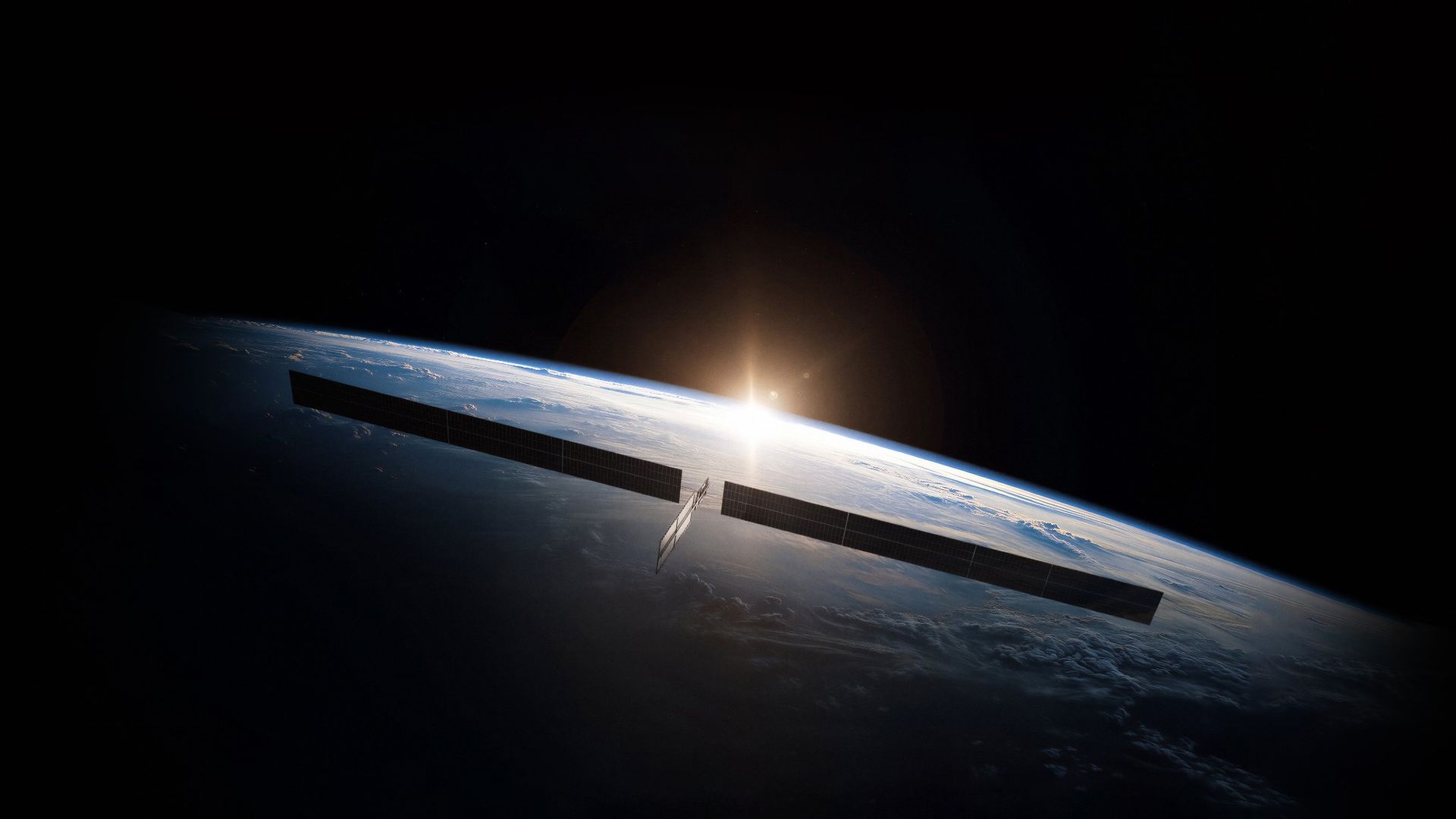
Scientists and regulators are evaluating the atmospheric and orbital impact of SpaceX's application to the FCC to deploy up to one million solar-powered data center satellites.
Sophia Space has successfully demonstrated its on-orbit computing software using Kepler Communications' optical satellite constellation, marking the company's first space heritage.
Google has contracted Blue Origin to launch experimental AI-powered satellites for Project Suncatcher in early 2029. The project aims to move energy-intensive computing and data centers into orbit.
Flexell Space and ALATYR have signed a Memorandum of Understanding to develop ultralight solar cell solutions for space-based computing infrastructure.
Sophia Space has released a FAQ regarding its Orbital Operating System (SOOS), focusing on the development of distributed computing and AI compute capabilities in orbit.
Sophia Space has deployed its orbital computing software across several satellites operated by Kepler to enable AI compute and data processing in space.
Ramon.Space has secured $124 million to expand the production and deployment of its orbital computing infrastructure and enter new international markets.