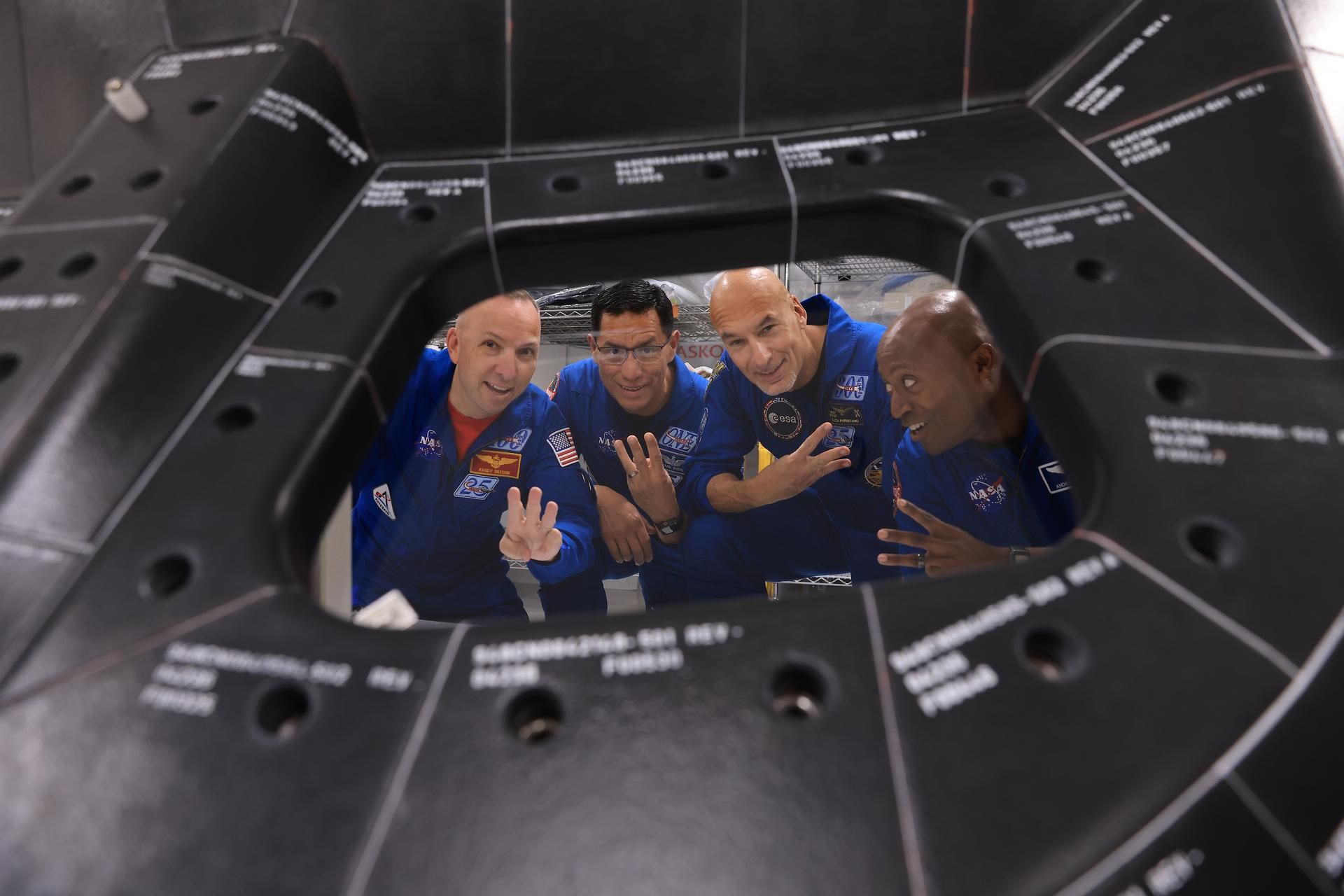
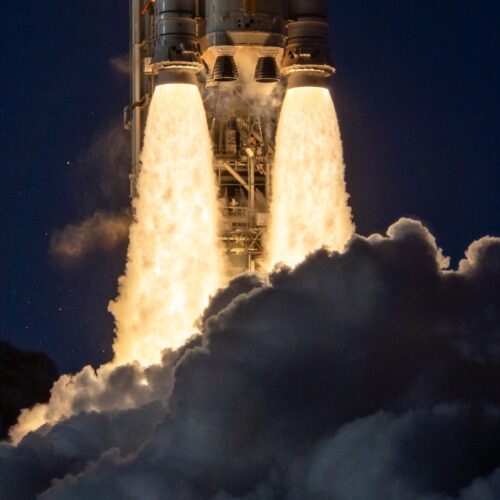
NASA astronaut Andre Douglas, a mission specialist for Artemis III, visited the Vehicle Assembly Building at Kennedy Space Center to inspect the RS-25 engines used in the SLS rocket.
The International Telecommunication Union has adopted its first resolution to establish international rules for radio frequency use on the Moon and in cislunar space to prevent signal interference as lunar missions increase.
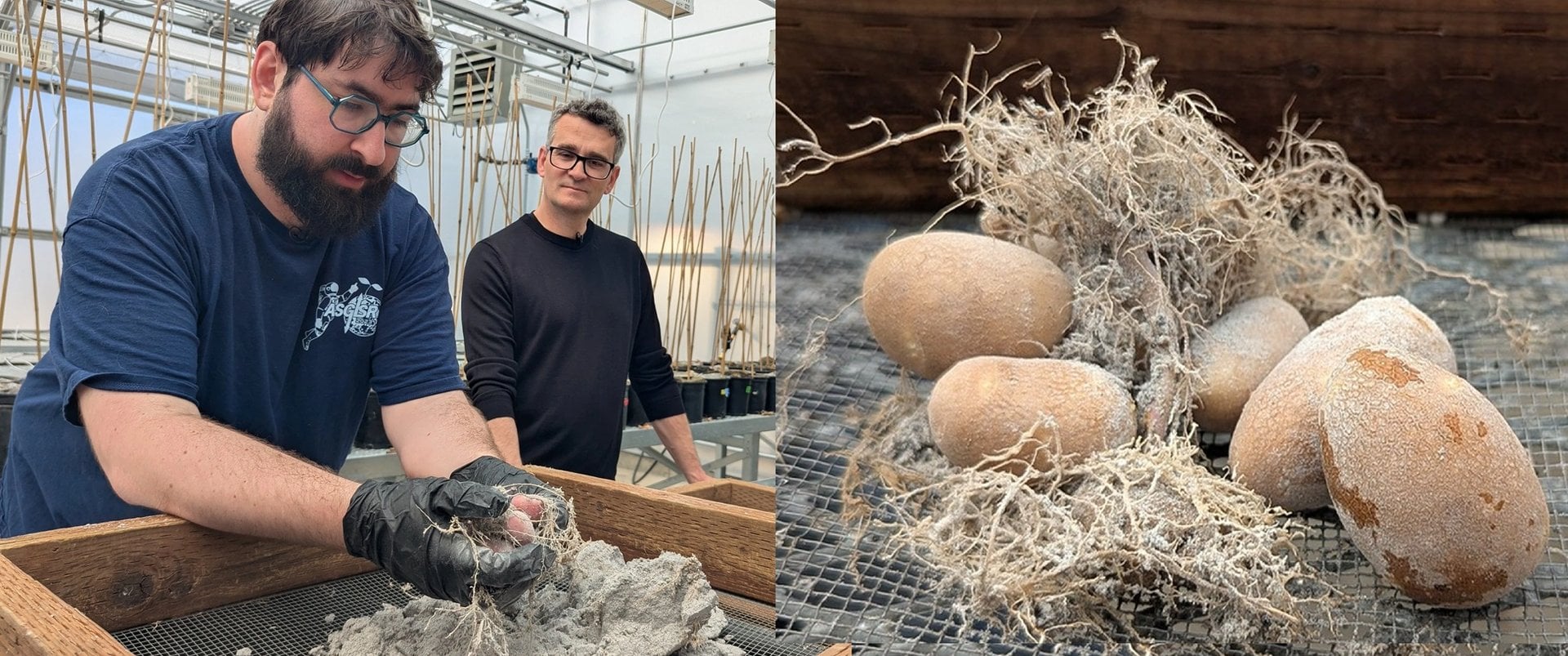
Researchers have demonstrated that potatoes grown in simulated lunar soil enriched with organic matter are safe for consumption and produce yields similar to those on Earth, supporting future Artemis missions.
Researchers propose using lunar craters to provide natural radiation shielding for nuclear reactors intended to power future human settlements on the Moon.
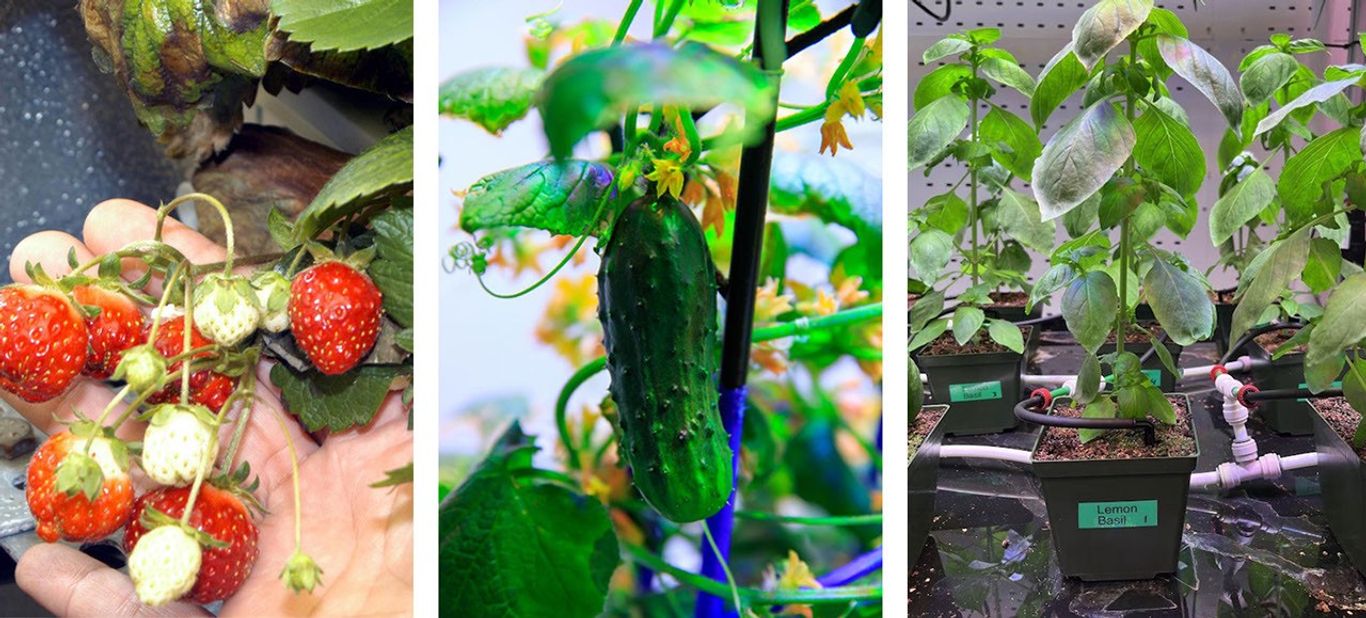
NASA is studying various crops, including strawberries, to determine which plants can provide sustainable nutrition and variety for astronauts on future missions to the Moon and Mars.
Researchers propose using lunar craters to provide natural radiation shielding for nuclear reactors intended to power future human settlements on the Moon.
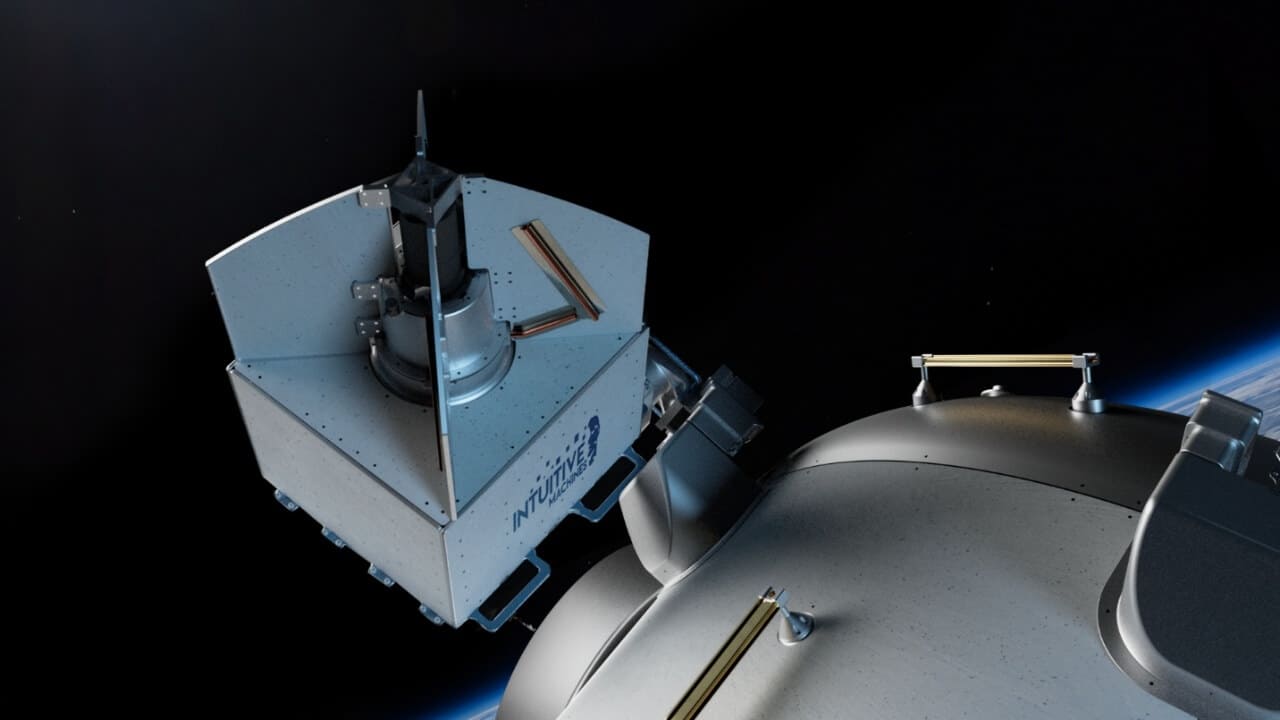
Intuitive Machines has completed the preliminary design review for START, a project aimed at demonstrating Stirling power generation technology to support lunar night survival.
The Saudi Space Agency has selected Lunar Outpost to co-develop an engineering prototype for lunar rover technologies, focusing on systems integration and testing.
NASA is looking for industry partners to design and test Lunar Reactor-1, a small fission power system capable of generating 20 kilowatts of electricity to support a sustained human presence on the Moon.
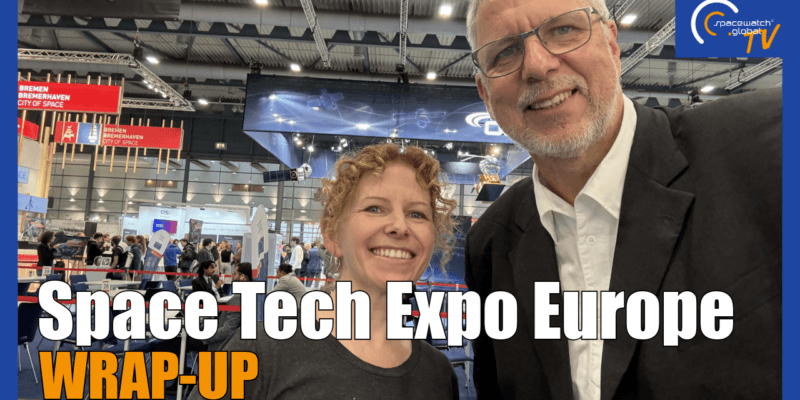
Laura Todd and Torsten Kriening discuss the challenges facing Europe's space sector, focusing on lunar capabilities, communication issues, and the need for better prioritization.
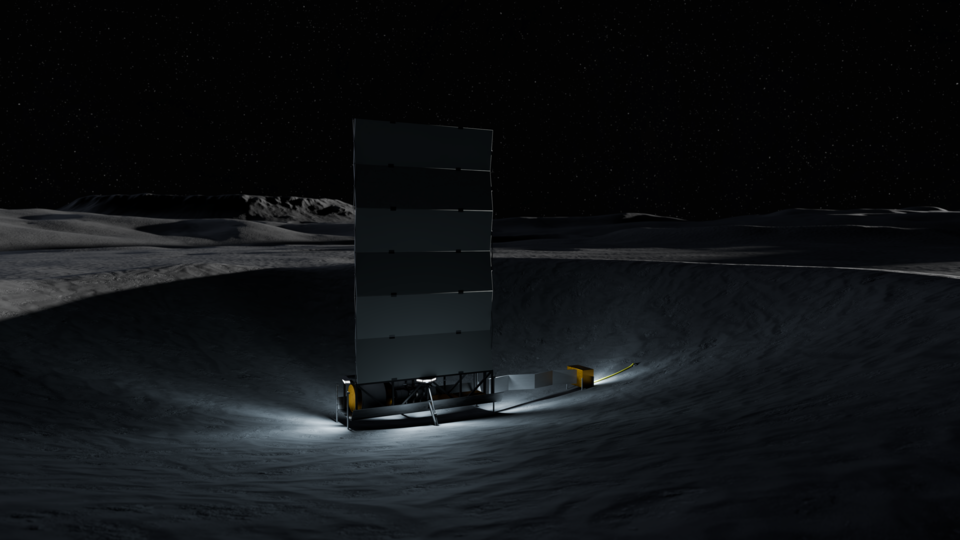
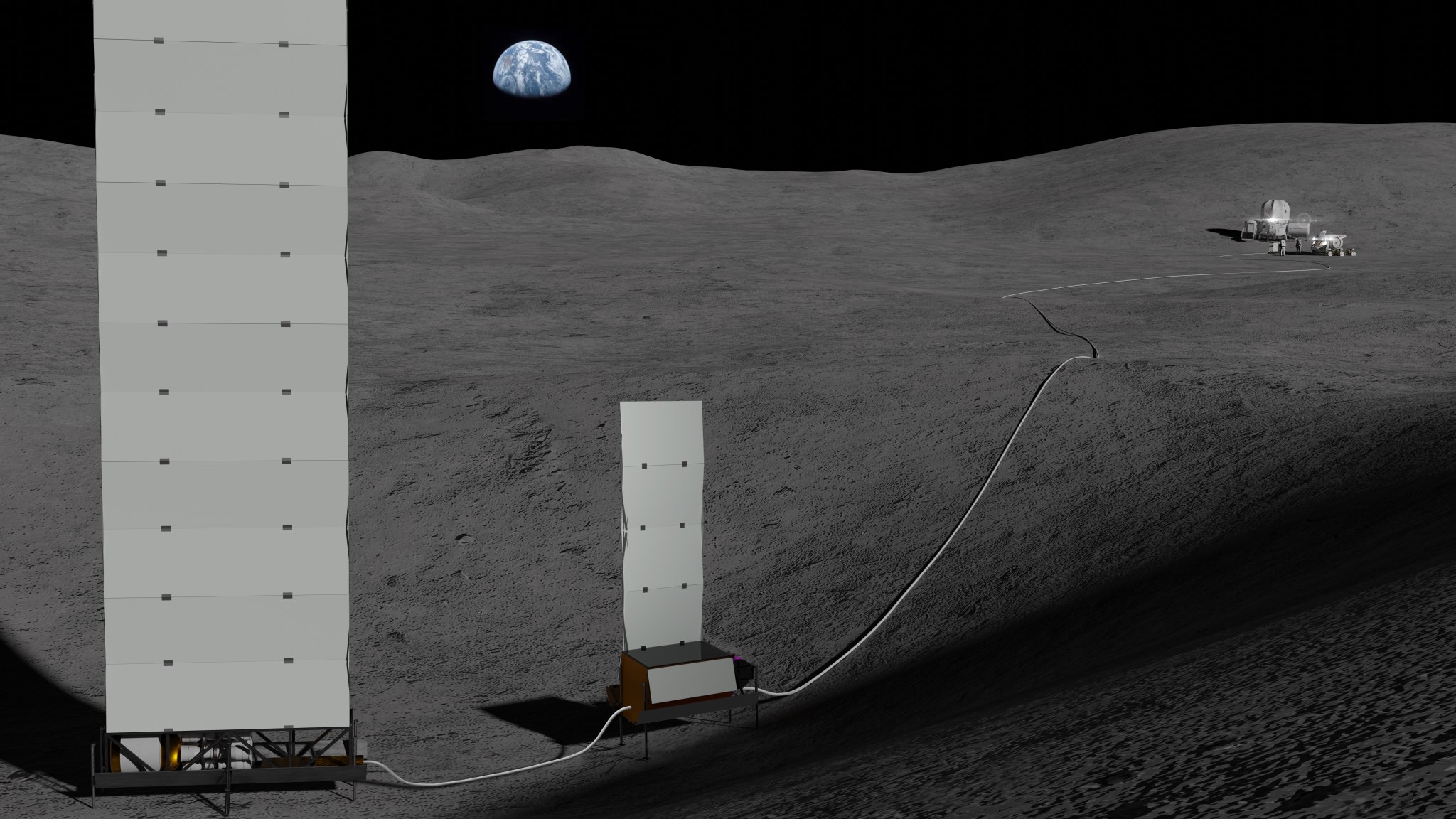
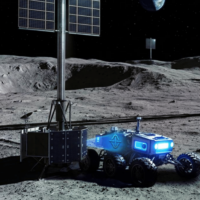
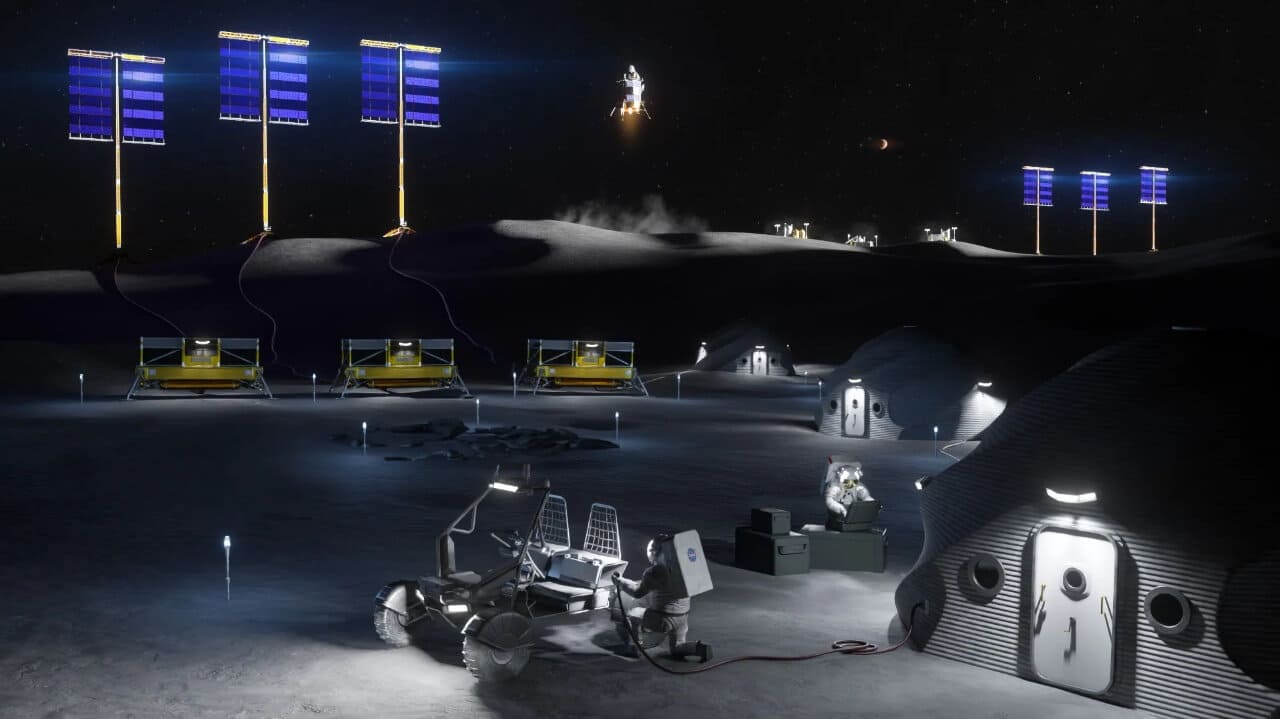
NASA has selected Redwire, Honeybee Robotics, and Yank Technologies to develop components for a Mini-Communications and Solar Tower for use on the Moon.
The UK government is establishing a technical and regulatory framework to support commercial operators and organisations participating in lunar activities.
Taiwanese battery manufacturer ProLogium has announced the design concept for 'Battery Pack 2.0', intended for use in spacecraft and lunar infrastructure.
Danish satellite manufacturer GomSpace has been awarded an €8 million contract to develop two spacecraft for Blue Origin's lunar resource prospecting mission.
Researchers have developed a new technique for extracting oxygen from lunar soil, potentially utilizing methods from computer chip manufacturing to support future moon bases.
Lunar Outpost's Pegasus lunar terrain vehicle has successfully passed NASA's preliminary design review. This follows a $220 million award granted to the company in May to develop the rover.
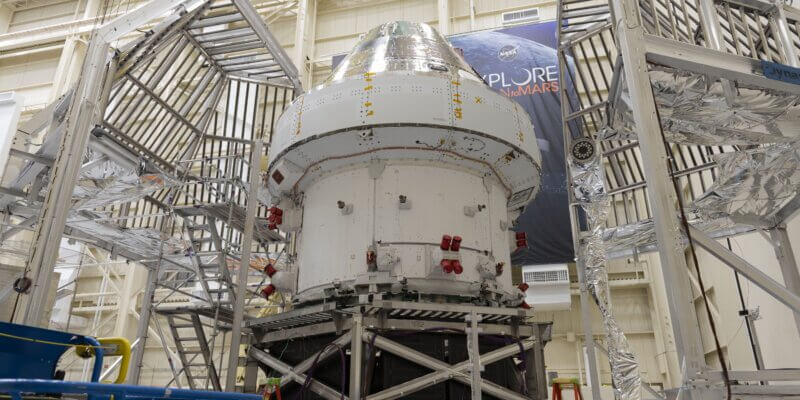
The European Space Agency is in talks to order two more European Service Modules (ESM) produced by Airbus for NASA's Orion spacecraft as part of the Artemis lunar program.