News
Science
330 stories · feeds read 2h ago
Get Science by email, every Friday.
other · Universe Today · 5d ago
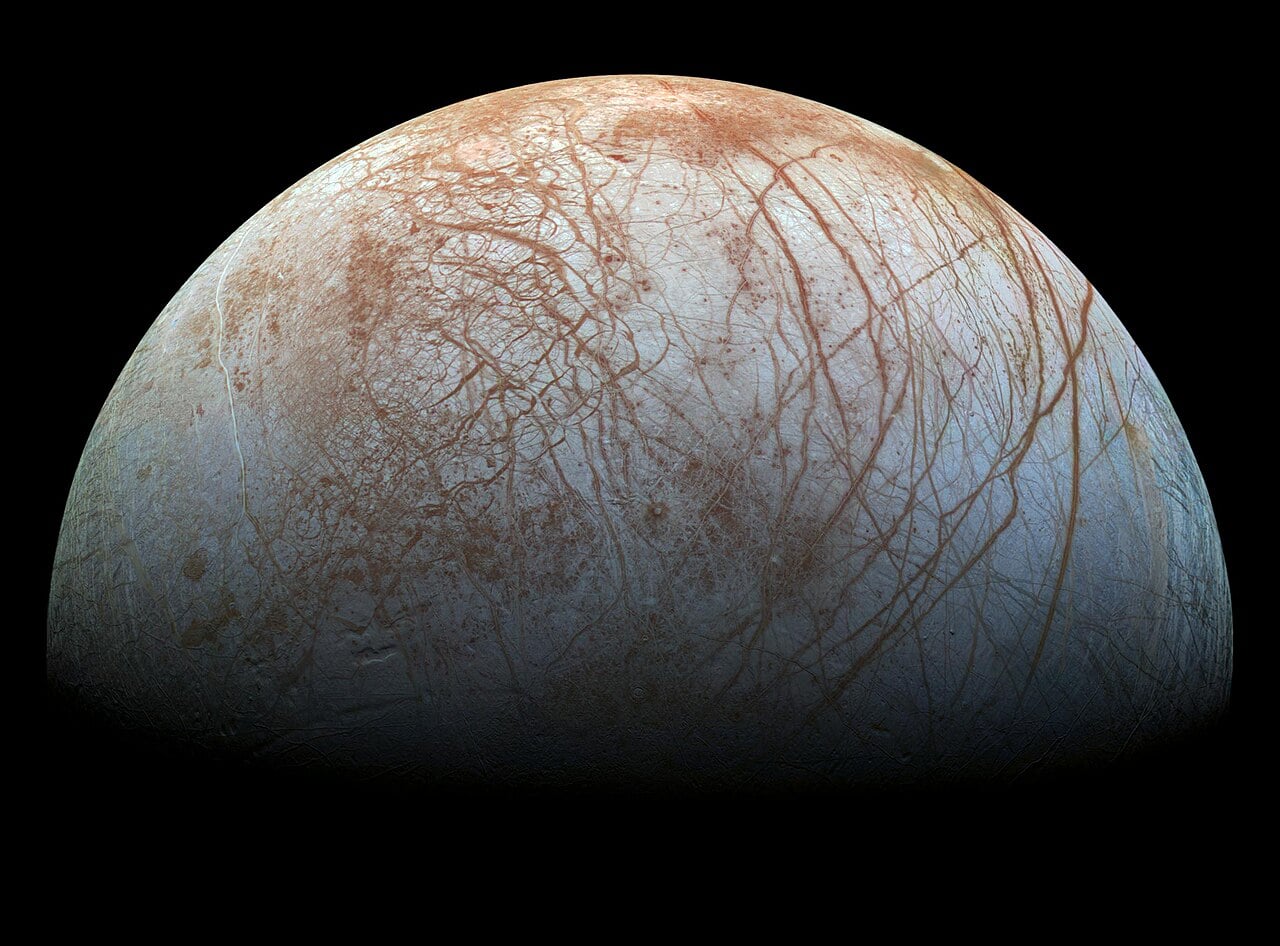
New Research Reveals Europa's Sodium Cloud Originated from its Interior Ocean (opens the publisher’s site)
Researchers using the W.M. Keck Observatory have determined that the sodium cloud surrounding Jupiter's moon Europa comes from its internal ocean.
other · Universe Today · 5d ago
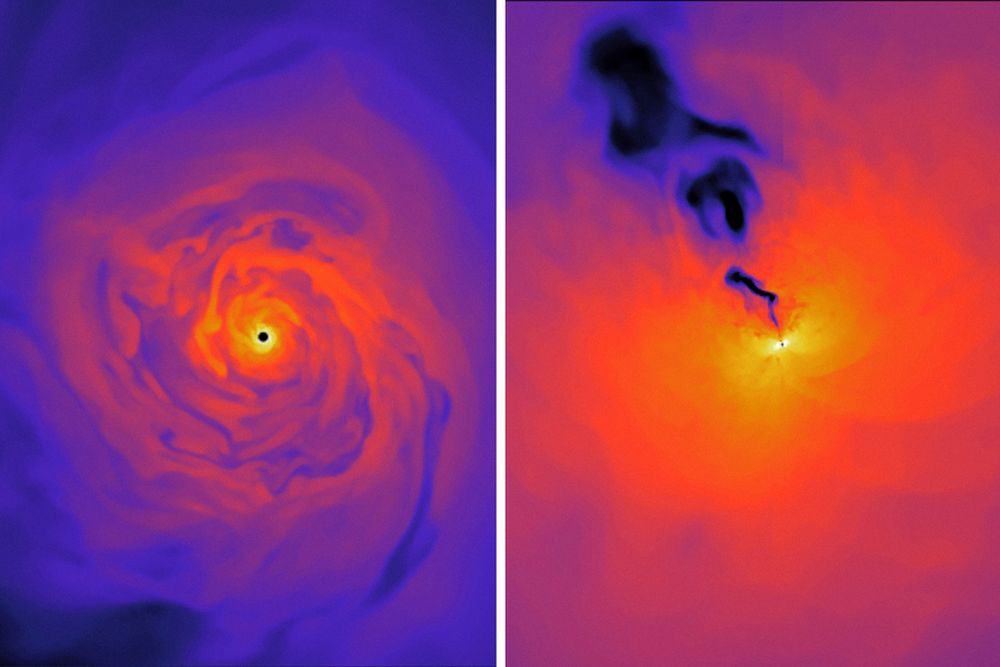
Detecting Primordial Black Holes By The Stars They Destroy (opens the publisher’s site)
New research proposes a method to detect primordial black holes by observing the bright flashes created when they consume stars from the inside out.
other · Universe Today · 5d ago
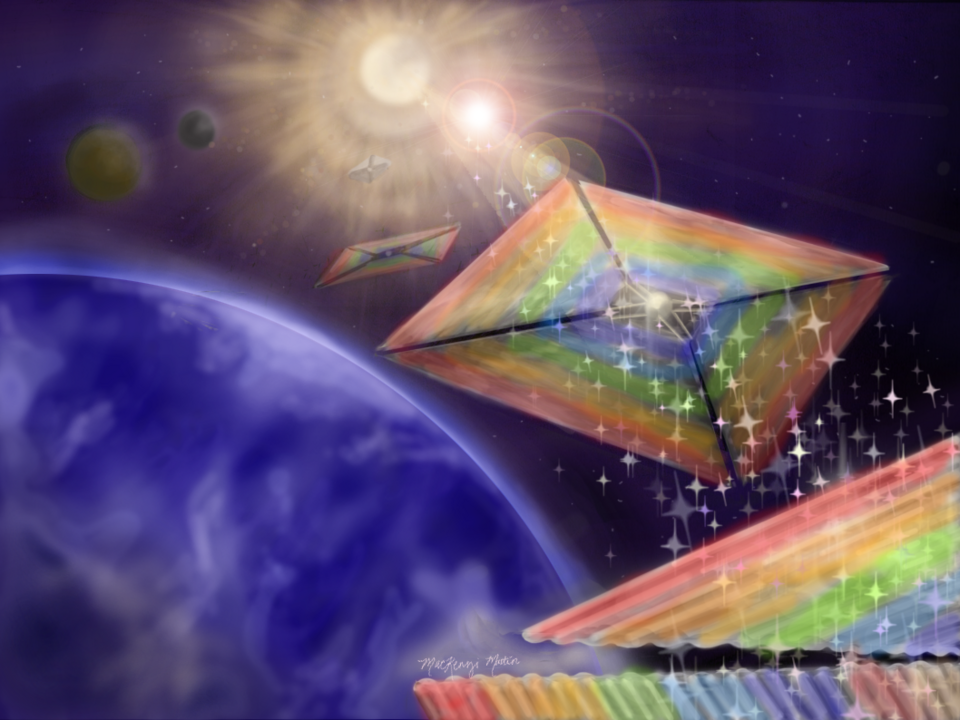
Ultra-Thin "Rainbow" Sails Could Power Spacecraft and Shade the Earth (opens the publisher’s site)
Researchers at the Rochester Institute of Technology have proposed a new solar sail technique using display technology to allow spacecraft to steer sideways using sunlight.
other · ESA · 5d ago
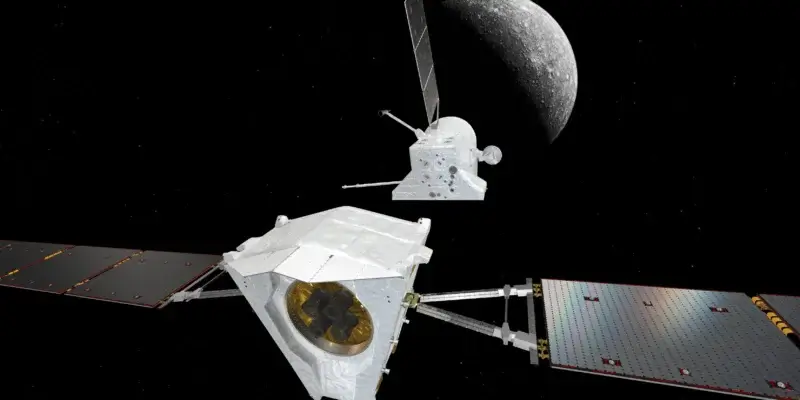
BepiColombo safely in Mercury orbit despite unexpected challenge (opens the publisher’s site)
The BepiColombo spacecraft has successfully entered orbit around Mercury. Despite a software glitch that triggered safe mode during the thruster burn, the probe is stable and preparing for the separation of its two orbiters.
other · NASA Johnson Space Center · 5d ago
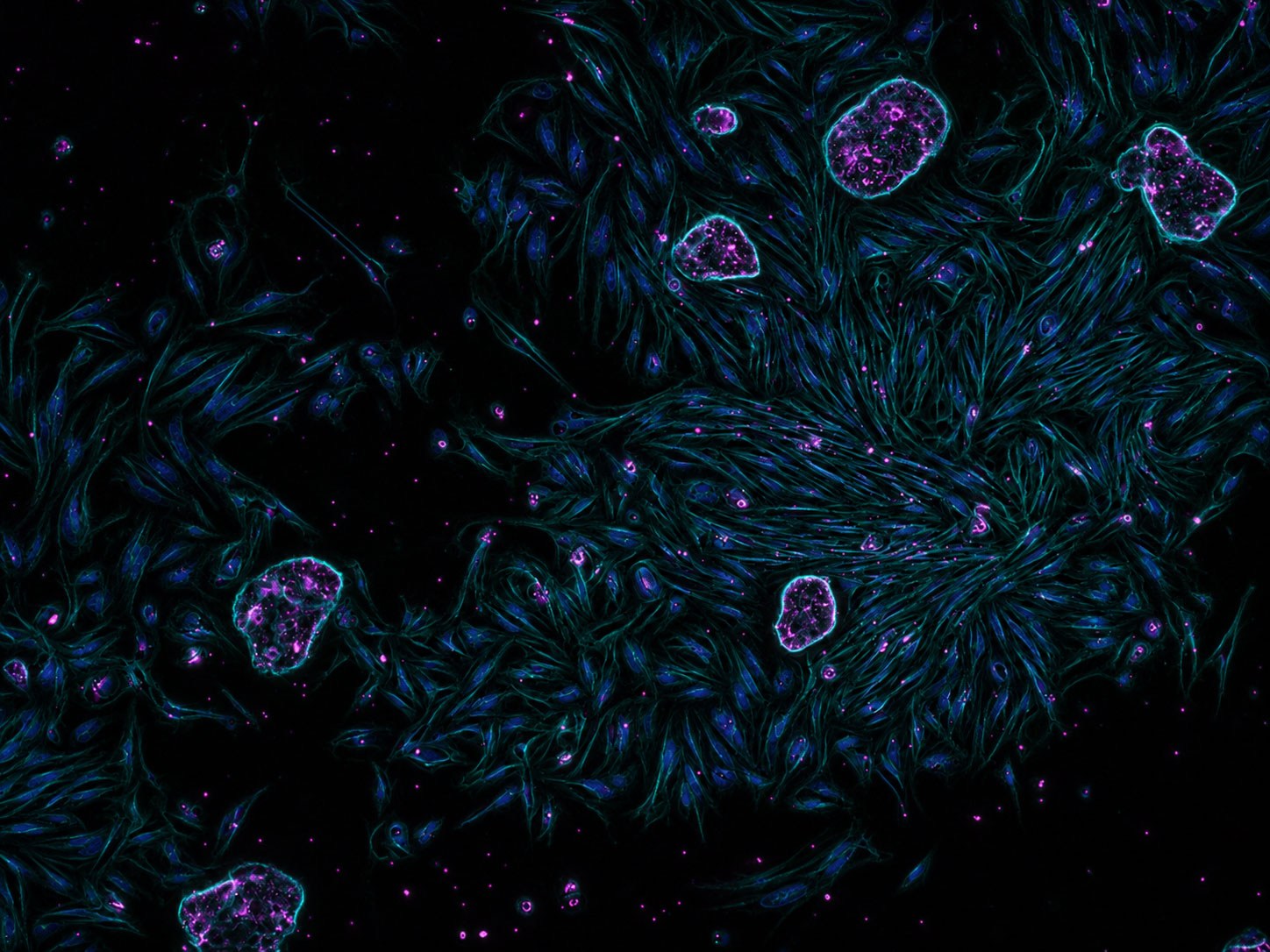
Studying Cancer Cells in Microgravity (opens the publisher’s site)
Researchers are using the International Space Station to study how gastric microtumors behave in microgravity to improve metastasis prediction and personalized medicine.
other · Phys.org · 5d ago
Image: Curiosity spots drifting twilight clouds (opens the publisher’s site)
NASA's Curiosity rover photographed drifting twilight clouds over Gale Crater during the Martian autumn.
other · AAS Nova · 5d ago
Spectral Appearance of Self-Gravitating Disks Powered by Stellar Objects: Universal Effective Temperature in the Optical Continuum and Application to Little Red Dots (opens the publisher’s site)
Research indicates that optically thick accretion disks around supermassive black holes maintain a consistent outer temperature of 4000–4500K, regardless of the black hole's mass or accretion rate.
other · AAS Nova · 5d ago
HD 3167’s Planets May Not Be Particularly Perpendicular (opens the publisher’s site)
Researchers are examining whether the orbits of the transiting planets in the HD 3167 system are truly perpendicular or follow a different configuration.
other · Phys.org · 5d ago
Rocket mission puts a new protective coating for space medicine to the test—and it holds up (opens the publisher’s site)
Researchers from Adelaide University and DLR sent experimental medicines into space via rocket to test if a new protective coating could withstand extreme travel conditions.
other · Universe Today · 5d ago
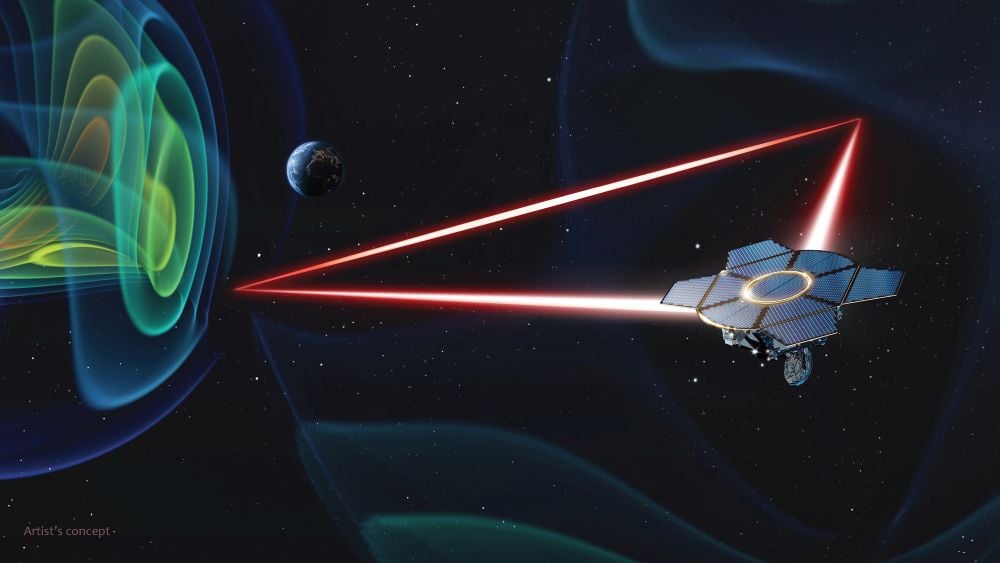
LISA's Gravitational Wave Detections Could Reveal Exoplanets (opens the publisher’s site)
New research suggests that the ESA's LISA mission may be able to detect exoplanets by identifying their gravitational influence on merging massive objects.
other · NASA · 5d ago
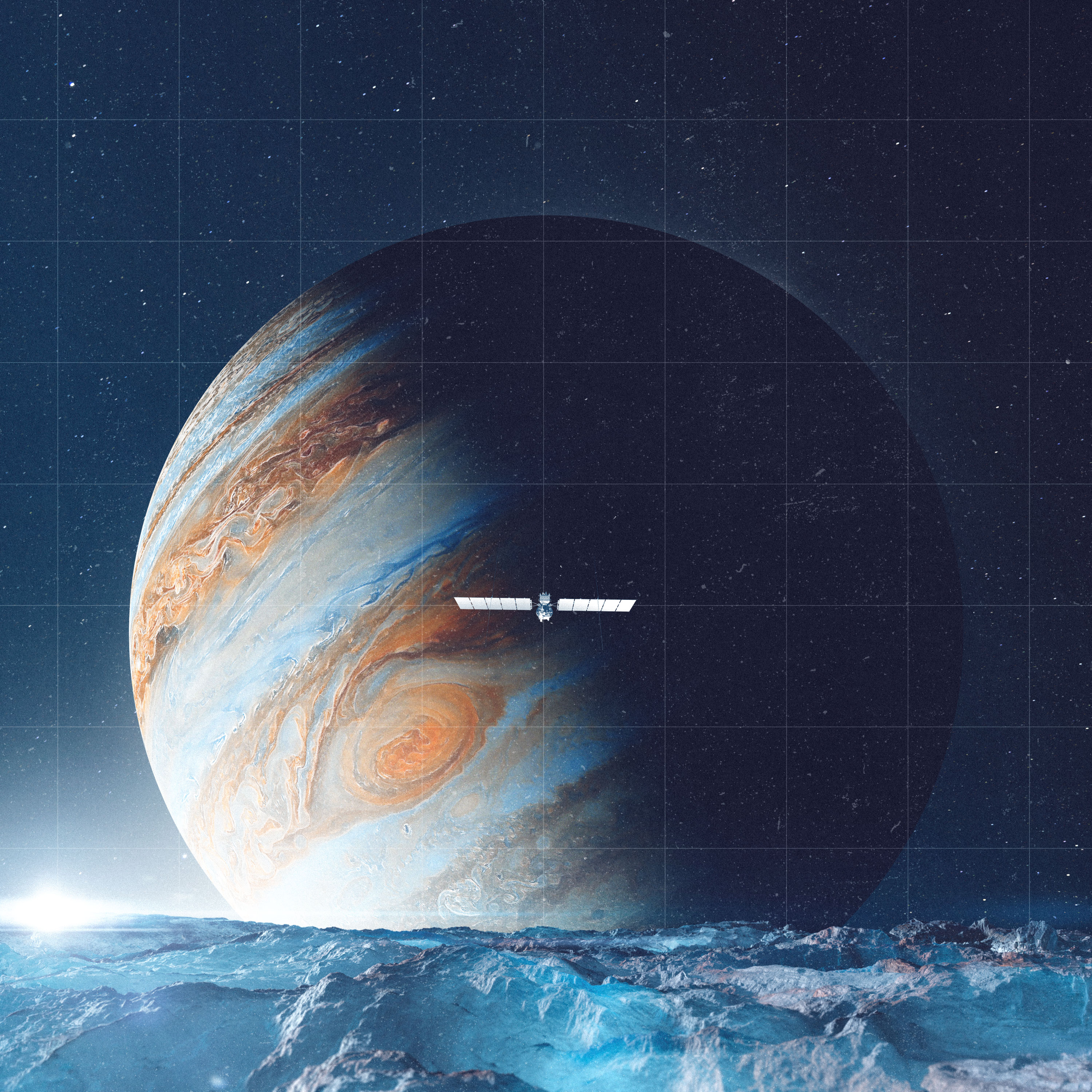
NASA+ Documentary Captures Europa Clipper’s Journey Into Deep Space (opens the publisher’s site)
NASA has released a new documentary titled "The Europa Concept," detailing the development and journey of the Europa Clipper deep space exploration mission.
other · Phys.org · 5d ago
ALMA resolves the gravitational reach of a black hole in the early universe (opens the publisher’s site)
Astronomers using the ALMA observatory measured the mass of a supermassive black hole in the galaxy W2246-0526, dating back to when the universe was 1.3 billion years old.
other · Universe Today · 5d ago
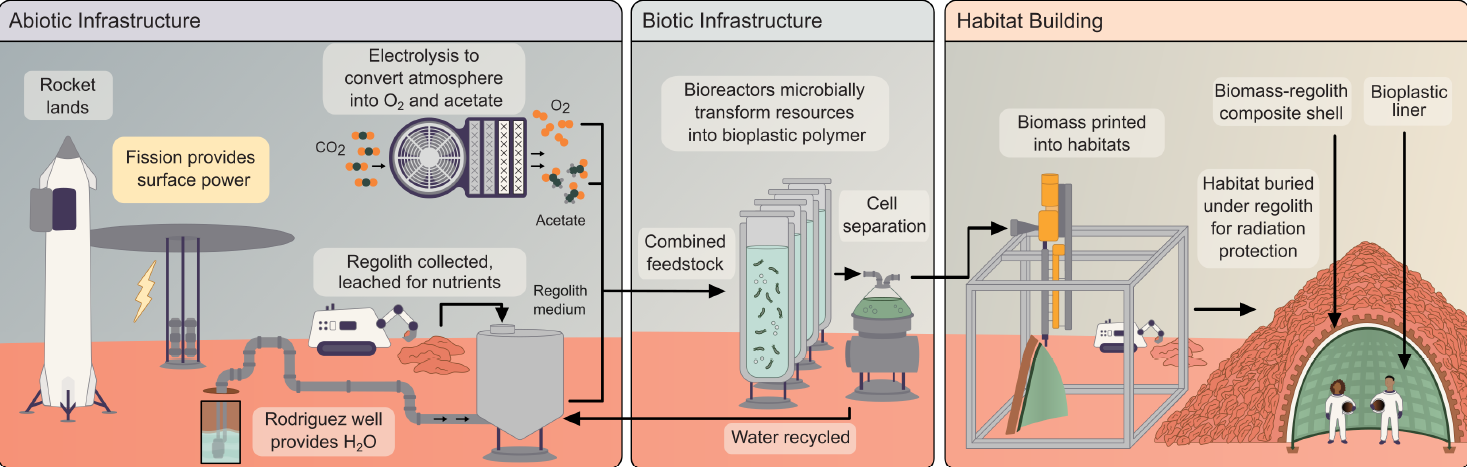
Bacteria and Nuclear Power Could Grow Ready-Made Homes on Mars Before Astronauts Arrive (opens the publisher’s site)
Pioneer Labs has detailed 'Mars Seed,' a concept using bacteria and nuclear power to create pressurized habitats on Mars using local materials.
other · Phys.org · 5d ago
Could astronomers be closing in on a hidden planet beyond Neptune? (opens the publisher’s site)
Researchers have developed a model to describe the appearance and behavior of a theoretical hidden planet located beyond Neptune to explain anomalies in the outer solar system.
other · Phys.org · 5d ago
Astronomers catch a gas cloud dimming a black hole's glow for weeks (opens the publisher’s site)
Researchers have observed a 'changing-look' active galactic nucleus where a gas cloud caused a black hole's brightness and spectral properties to shift over several weeks.
other · ESA · 5d ago
Hera’s Didymos asteroid in eclipse (opens the publisher’s site)
The European Space Agency's Hera mission has captured an image of the moonlet Dimorphos casting a shadow on the asteroid Didymos as part of its planetary defence mission.
other · sorae · 5d ago
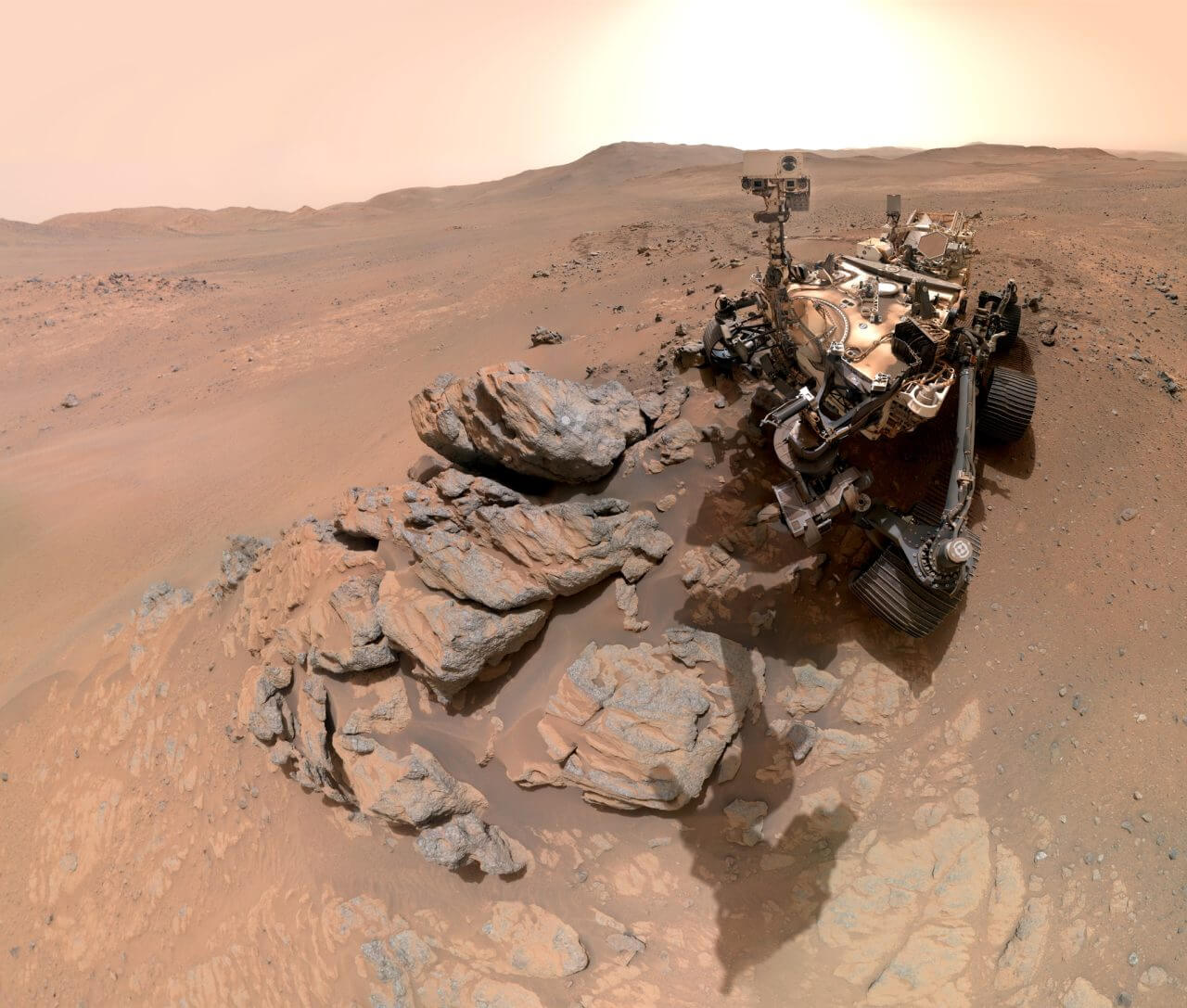
NASA Temporarily Suspends Science Operations for Perseverance and Odyssey (opens the publisher’s site)
NASA has paused science operations for the Perseverance rover and the 2001 Mars Odyssey orbiter due to separate technical issues.
other · Italian Space Agency · 5d ago
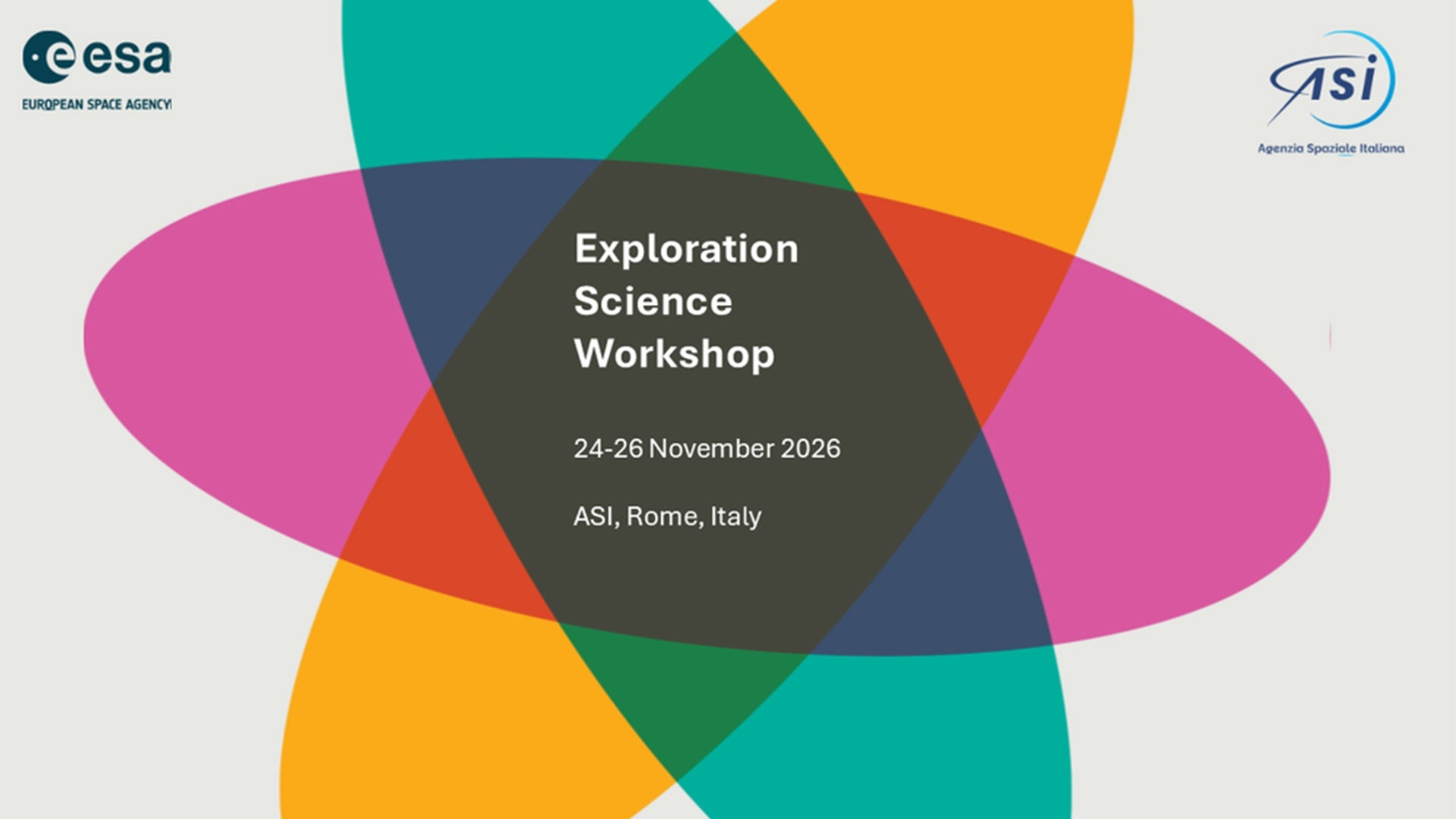
Exploration Science Workshop 2026 (opens the publisher’s site)
The Italian Space Agency (ASI) will host the Exploration Science Workshop 2026 from November 24 to 26 at its headquarters.
other · KAUST Innovation Ventures · 5d ago
Space mission innovation wins big at iGEM synthetic biology competition (opens the publisher’s site)
Students from KAUST earned a gold medal and top-10 finish at the iGEM synthetic biology competition for developing technology to produce medicines during space missions.
other · SpaceWatch.Global · 5d ago
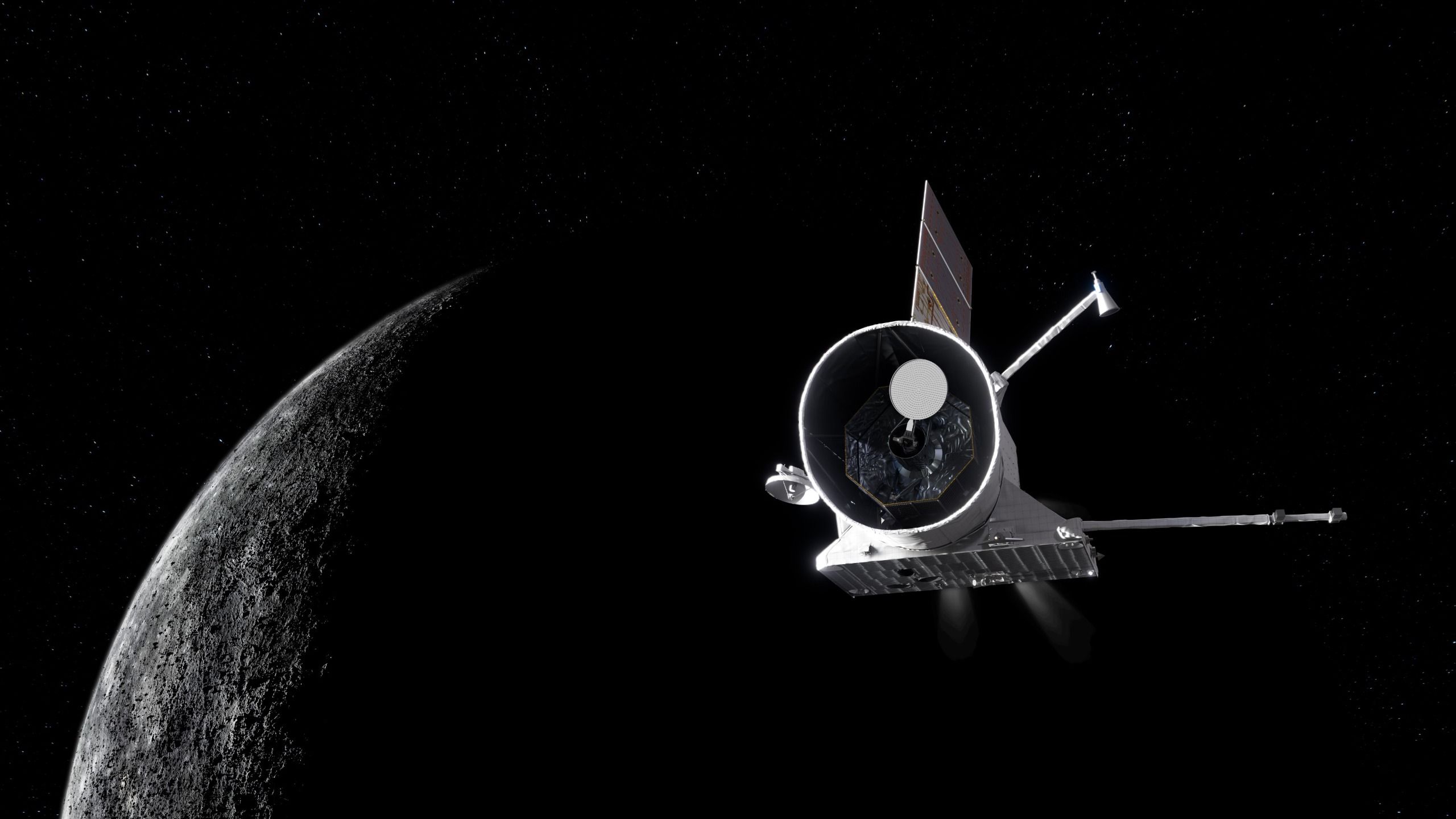
BepiColombo Returns Humanity to Mercury’s Orbit with Two-Spacecraft Mission (opens the publisher’s site)
The joint ESA and JAXA BepiColombo mission has successfully entered orbit around Mercury, becoming only the second spacecraft to do so after NASA's MESSENGER.
other · NASA · 6d ago
Laser Focus at the Top of the World (opens the publisher’s site)
NASA has installed a new geodetic instrument in Norway to help measure the Earth's shape and track satellite orbits.
other · Space.com · 6d ago
BepiColombo Enters Mercury Orbit Despite Software Glitch (opens the publisher’s site)
The joint ESA and JAXA BepiColombo mission has successfully entered orbit around Mercury. However, engineers are investigating a software error that caused engines to fire for less time than planned during the braking maneuver.
other · Phys.org · 6d ago
JWST finds a possible black hole that grew faster than its host galaxy in the early universe (opens the publisher’s site)
The James Webb Space Telescope has identified a massive black hole from the early universe that appears to have grown faster than the galaxy surrounding it.
other · Phys.org · 6d ago
Mercury gets its first visitor in years as a pair of spacecraft loop into orbit (opens the publisher’s site)
After an eight-year journey, two spacecraft have successfully entered orbit around Mercury to study the planet.
other · Phys.org · 6d ago
Milky Way simulation reaches record resolution with the help of three supercomputers (opens the publisher’s site)
Researchers from the University of Tokyo and other institutions have created a high-resolution simulation of the Milky Way. By using AI-accelerated models and multiple supercomputers, they can now model the galaxy down to individual stars.
other · Phys.org · 7d ago
Fermi's 14-year all-sky map bridges astronomy's elusive 'MeV gap' (opens the publisher’s site)
Scientists using the Fermi Large Area Telescope have identified 450 cosmic sources in the 20–200 MeV range, providing the clearest view to date of low-energy gamma rays.
other · Space.com · 7d ago
NASA's Perseverance and Mars Odyssey face technical glitches (opens the publisher’s site)
NASA has temporarily paused scientific operations for the Perseverance rover and Mars Odyssey orbiter due to radio and orientation system failures. Engineers are working to restore full functionality by the end of November.
other · Universe Today · 8d ago
A Radical Theory about the Universe Just Passed Some Key Tests. So... What Does that Mean? (opens the publisher’s site)
A study from the University of Ottawa suggests a model where the universe is 26.7 billion years old, potentially removing the need for dark matter and dark energy.
other · Phys.org · 8d ago
A new way to extract oxygen from lunar soil could support bases on the moon (opens the publisher’s site)
Researchers have developed a new technique for extracting oxygen from lunar soil, potentially utilizing methods from computer chip manufacturing to support future moon bases.
other · The Planetary Society · 8d ago
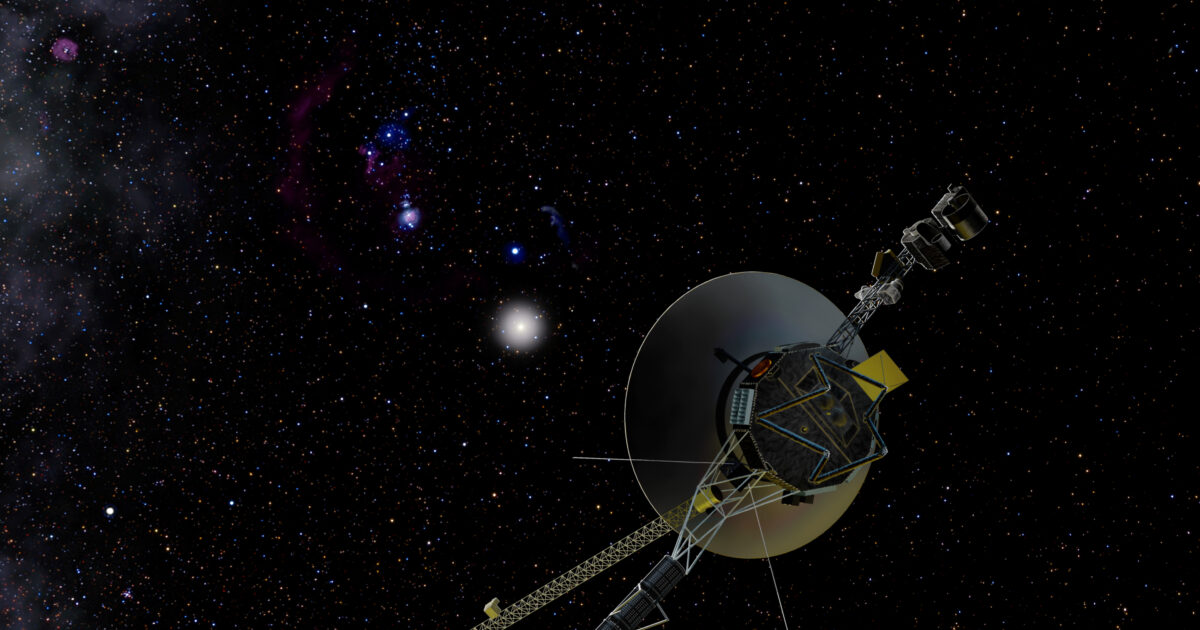
Voyager 1 at one light-day: A conversation with Voyager Project Scientist Linda Spilker (opens the publisher’s site)
Project scientist Linda Spilker discusses the milestone of Voyager 1 reaching a distance of one light-day from Earth.