News
Science
330 stories · feeds read 2h ago
Get Science by email, every Friday.
other · Phys.org · 4d ago
Ultrathin 'rainbow' sails could power spacecraft and shade the Earth (opens the publisher’s site)
Researchers are exploring the use of ultrathin 'rainbow' solar sails that use photon momentum for spacecraft propulsion and potential Earth shading applications.
other · Phys.org · 4d ago
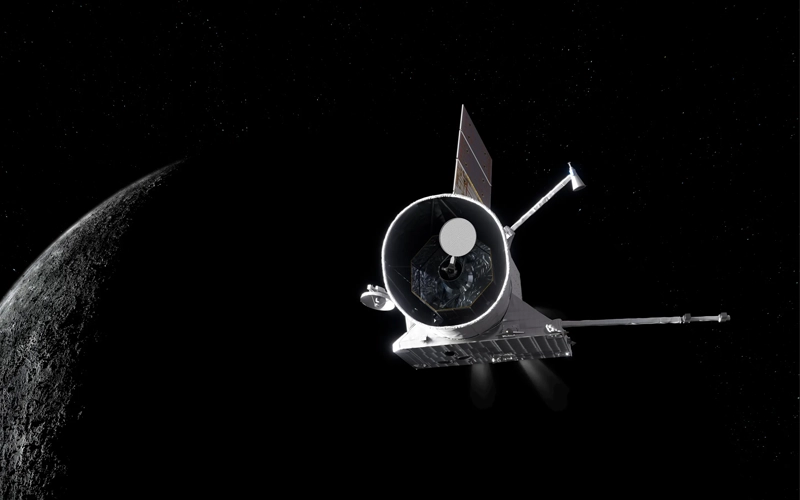
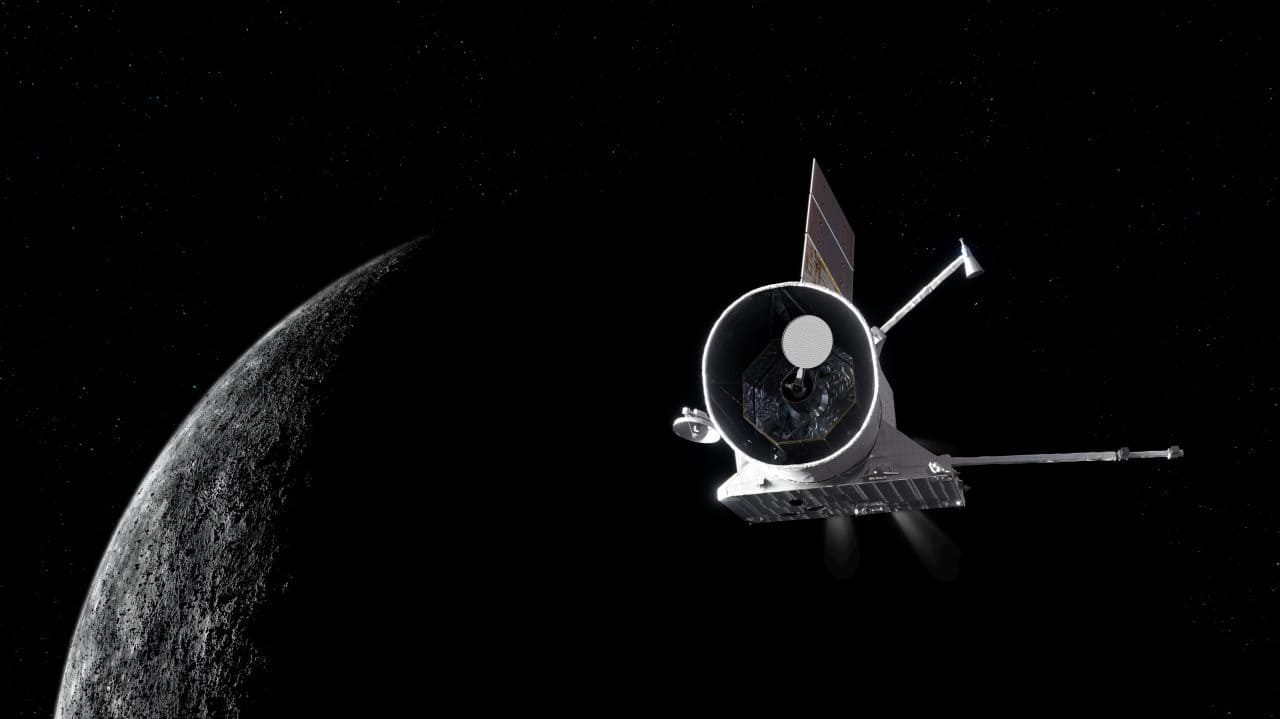
Blind sample test reveals how BepiColombo could decode Mercury's mineral makeup (opens the publisher’s site)
Researchers have demonstrated that instruments on the BepiColombo spacecraft can work together to identify minerals on Mercury's surface as the ESA and JAXA mission enters orbit.
other · Ars Technica Space · 4d ago
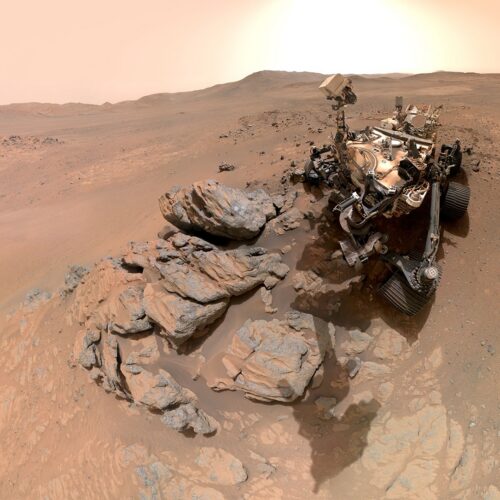
Half of NASA's aging Mars fleet knocked offline by technical issues (opens the publisher’s site)
NASA is facing technical challenges with its Mars missions, including transmission problems with the Perseverance rover and fuel shortages for the Odyssey orbiter.
other · Phys.org · 4d ago
NASA Hubble's new view of NGC 4394 raises the bar (opens the publisher’s site)
The Hubble Space Telescope has captured a new image of NGC 4394, a barred galaxy located approximately 55 million light-years away in the Virgo Cluster.
other · Phys.org · 4d ago
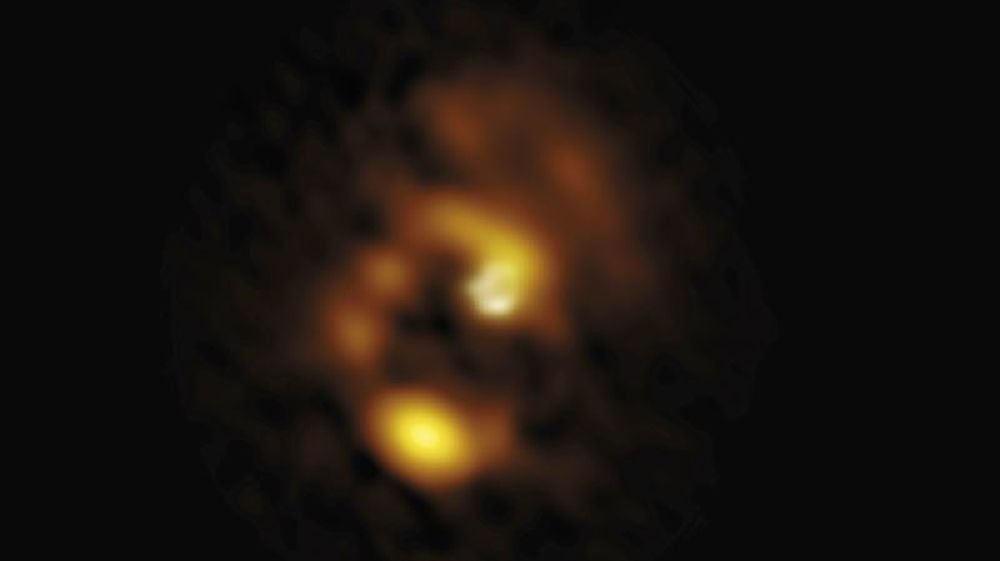
The two ways rings are carved around a newborn star (opens the publisher’s site)
Astrophysicists are studying the sequential rings of bright and dark areas around young stars to better understand the process of planetary formation.
other · Phys.org · 4d ago
Flexible simulations model how dark matter collisions may leave their fingerprints on the universe (opens the publisher’s site)
Scientists have developed flexible simulations to model how collisions between dark matter particles may leave detectable traces across the universe.
other · Phys.org · 4d ago
Vaporized rock reveals titanium oxide around massive young star for first time (opens the publisher’s site)
Scientists have observed vaporized rock in the form of titanium oxide around a young, massive star. This allows researchers to determine the composition of solid materials outside our solar system without physical samples.
other · NASASpaceflight · 4d ago
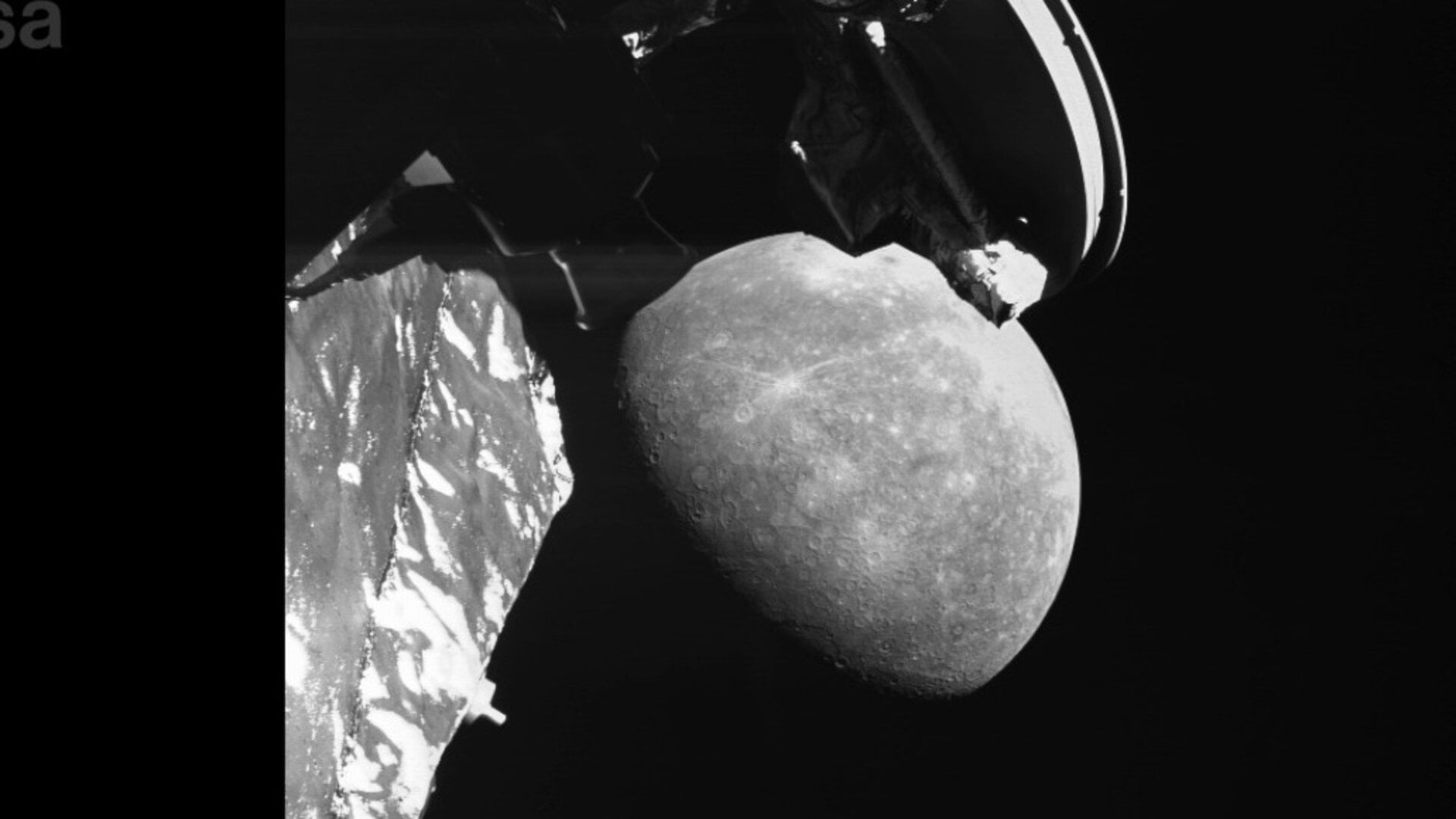
BepiColombo successfully enters orbit of Mercury, suffers orbit-altering software glitch (opens the publisher’s site)
The joint ESA and JAXA BepiColombo mission has successfully entered orbit around Mercury, though a software glitch has affected its orbital trajectory.
other · Universe Today · 4d ago
A Gigantic Stellar Eruption Spreads Planetary Material Into Space (opens the publisher’s site)
New research using the star Mira reveals that magnetic fields and giant flares, rather than just stellar winds, help spread heavy elements into space to form future stars and planets.
other · AAS Nova · 4d ago
Modeling the Technical Specifications for Future Multiobject-Spectroscopy Instrumentation (opens the publisher’s site)
Researchers have developed a new code to assess the efficiency and completeness of future fiber-optic spectroscopic systems based on parameters like fiber and target density.
other · AAS Nova · 4d ago
Know Thy Star, Know Thy Life (opens the publisher’s site)
Research indicates that uncertainties in TRAPPIST-1's high-energy emissions can lead to different atmospheric photochemistry, making it harder to detect signs of life on its orbiting planets.
other · Phys.org · 4d ago
Water signals could guide future efforts to image supermassive black hole shadows (opens the publisher’s site)
Researchers from the University of Hawaiʻi at Mānoa are investigating a new method using water signals to better image and study supermassive black holes.
other · Universe Today · 4d ago
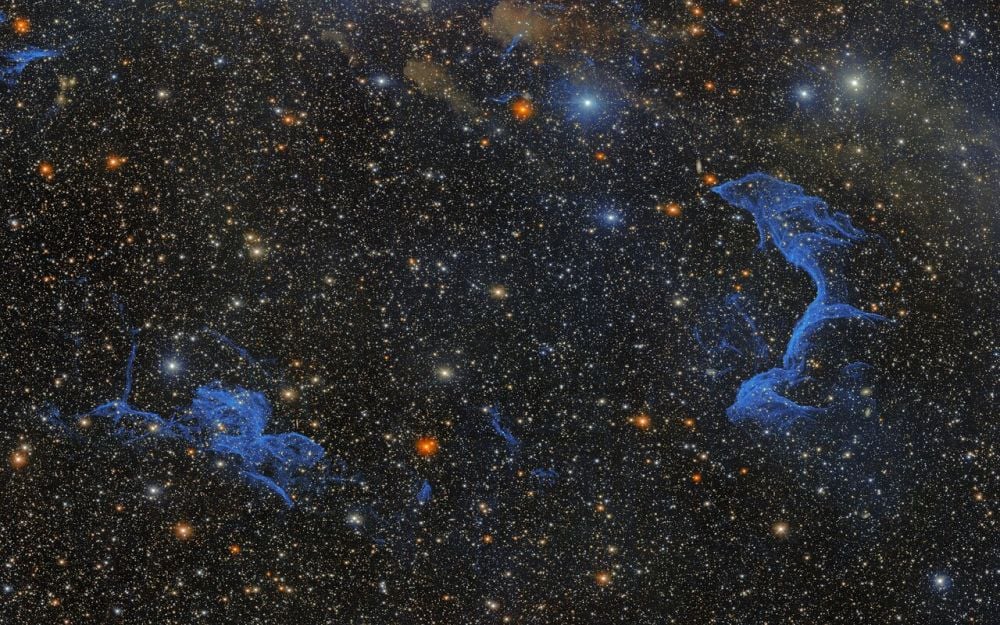
A Dark Energy Camera Portrait of the Betta Fish Nebula (opens the publisher’s site)
The Dark Energy Camera (DECam) has produced the highest quality image to date of the Betta Fish Nebula, a supernova remnant located approximately 7,000 light years away.
other · Phys.org · 4d ago
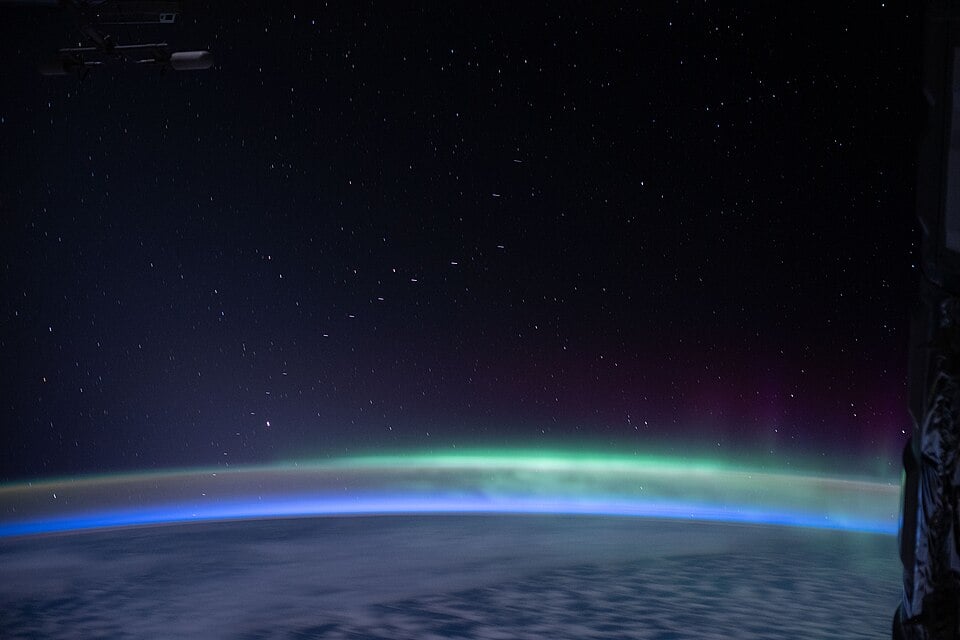
Four radiation belts surrounded Earth for weeks after 2024 solar superstorm (opens the publisher’s site)
Researchers discovered that a major solar storm rearranged Earth's magnetic field, creating four radiation belts instead of the usual two for several weeks.
other · NASA · 4d ago
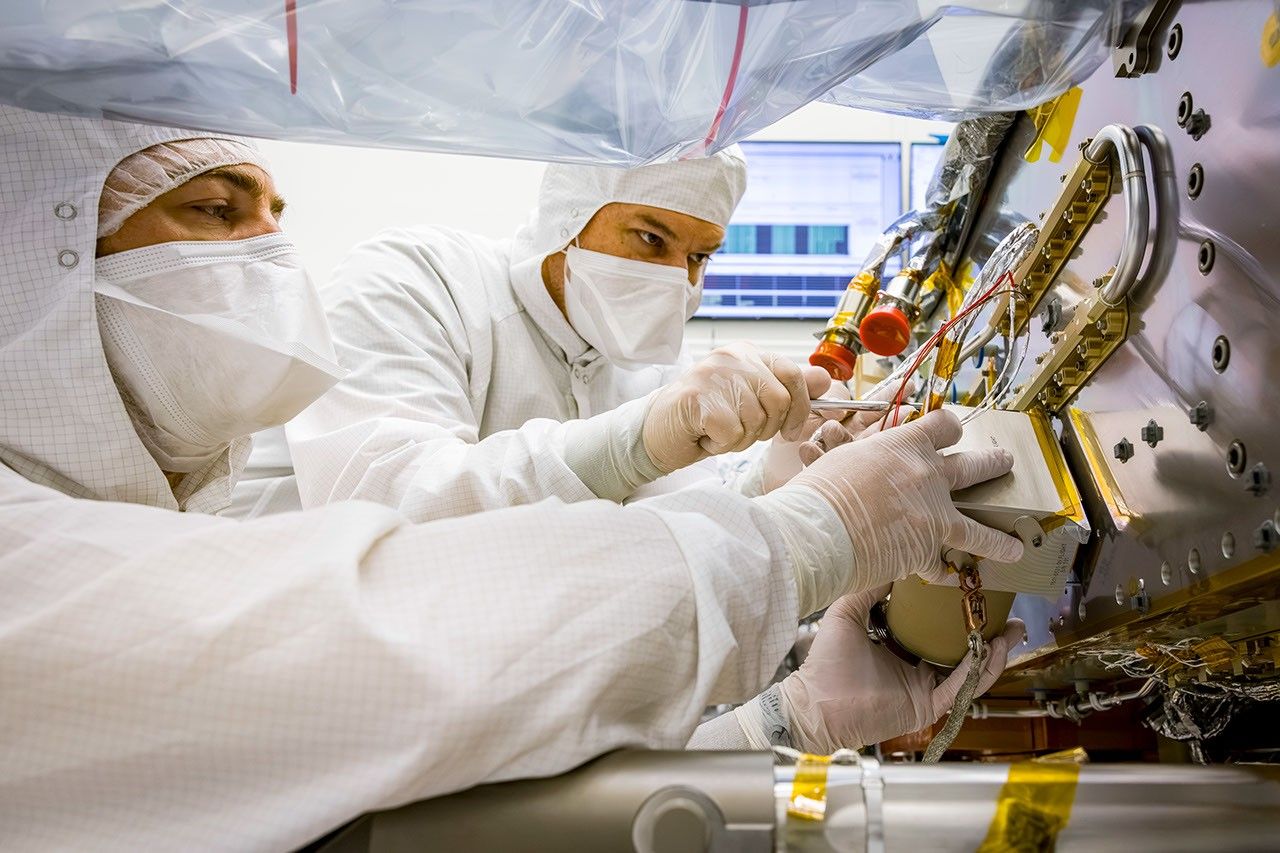
NASA’s Titan-Bound Dragonfly Rotorcraft Gets Its Eyes (opens the publisher’s site)
Science instruments, including the DragonCam, are arriving at the Johns Hopkins Applied Physics Laboratory for integration into the Dragonfly rotorcraft destined for Saturn's moon, Titan.
other · Universe Today · 4d ago
Why Mega-Constellations Have a Hidden Space Junk Blind Spot (opens the publisher’s site)
A new paper by researcher Federico Toson argues that the mathematical models used by regulatory agencies to determine satellite safety in congested orbits are fundamentally flawed.
other · Universe Today · 4d ago
UK-Built X-Ray Telescope Ready For Action at Mercury (opens the publisher’s site)
The BepiColombo mission has entered orbit around Mercury. The mission includes the Mercury Imaging X-ray Spectrometer (MIXS), developed by the University of Leicester, which recently completed proof-of-concept testing.
other · Universe Today · 4d ago
A Star’s ‘Obliquity’ Likely Has Little Impact On A Given Planet’s Habitability (opens the publisher’s site)
A new research paper suggests that large changes in a star's axial tilt are uncommon and likely do not significantly affect the habitability of its planets.
other · European Spaceflight · 4d ago
BepiColombo Enters Orbit Around Mercury Despite “Software Glitch” (opens the publisher’s site)
The European Space Agency's BepiColombo spacecraft has entered orbit around Mercury, overcoming a software glitch that caused a shorter-than-planned thruster burn.
other · Phys.org · 4d ago
New quasar record tightens constraints on black hole formation scenarios (opens the publisher’s site)
Astronomers have identified the most distant quasar to date using the Euclid Wide Survey and other powerful telescopes, providing new data on black hole formation.
other · ESA · 4d ago
Euclid breaks own quasar record by 40 million years (opens the publisher’s site)
The Euclid space telescope has identified the most distant quasar ever recorded, dating back to 630 million years after the Big Bang.
other · sorae · 5d ago
BepiColombo Spacecraft Successfully Enters Mercury Orbit (opens the publisher’s site)
The joint ESA and JAXA BepiColombo mission has successfully entered orbit around Mercury, despite the insertion burn ending earlier than expected.
other · Phys.org · 5d ago
NASA spacecraft data reveal how solar system's tail shifts over 14 years (opens the publisher’s site)
A study led by the Southwest Research Institute used data from NASA's IBEX spacecraft to map the movement of the heliotail lobes over 14 years, showing how solar activity shapes the edge of our solar system.
other · Universe Today · 5d ago
Making Sense of Chaotic Supernova Ejecta With the JWST (opens the publisher’s site)
Astronomers are using the James Webb Space Telescope to study the debris from exploded stars to better understand stellar interiors.
other · Phys.org · 5d ago
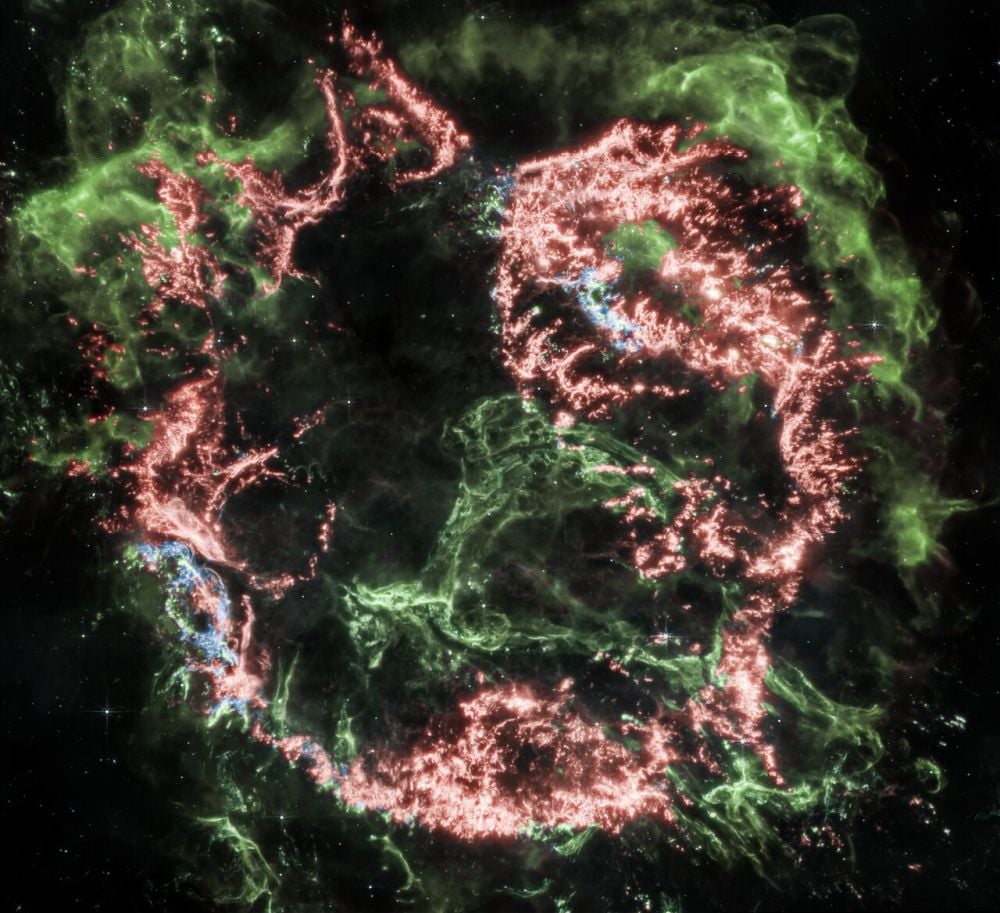
Webb finds evidence star's layers may have merged just hours before Cas A supernova (opens the publisher’s site)
The James Webb Space Telescope has analyzed the Cassiopeia A supernova remnant, suggesting the star's layers may have merged shortly before its explosion.
other · Phys.org · 5d ago
Bacteria and nuclear power could grow ready-made homes on Mars before astronauts arrive (opens the publisher’s site)
Pioneer Labs has proposed using biological technologies and nuclear power to grow ready-made homes on Mars before human arrival.
other · Phys.org · 5d ago
Hera surveys asteroids with superhuman vision (opens the publisher’s site)
The European Space Agency's Hera mission is using advanced imaging instruments to survey the Didymos asteroid as part of a planetary defense initiative.
other · Phys.org · 5d ago
Stellar pulses reveal hidden binary in JWST calibration star sample (opens the publisher’s site)
Researchers discovered that HD 158485, a star used to calibrate the James Webb Space Telescope, is actually a binary system consisting of two pulsating stars.
other · Planet Labs PBC (Planet) · 5d ago
Monitoring the Coasts With Near-Daily Satellite Data (opens the publisher’s site)
Planet Labs presents a decade-long study showing how near-daily satellite data can be used to monitor and protect dynamic shorelines.
other · Phys.org · 5d ago
Star's record eruption shows how key elements can spread through space (opens the publisher’s site)
Astronomers using the ALMA telescope in Chile have captured high-detail images of a nearby star's record eruption to study how key elements spread through space.