News
Science
330 stories · feeds read 2h ago
Get Science by email, every Friday.
other · Universe Today · 9d ago
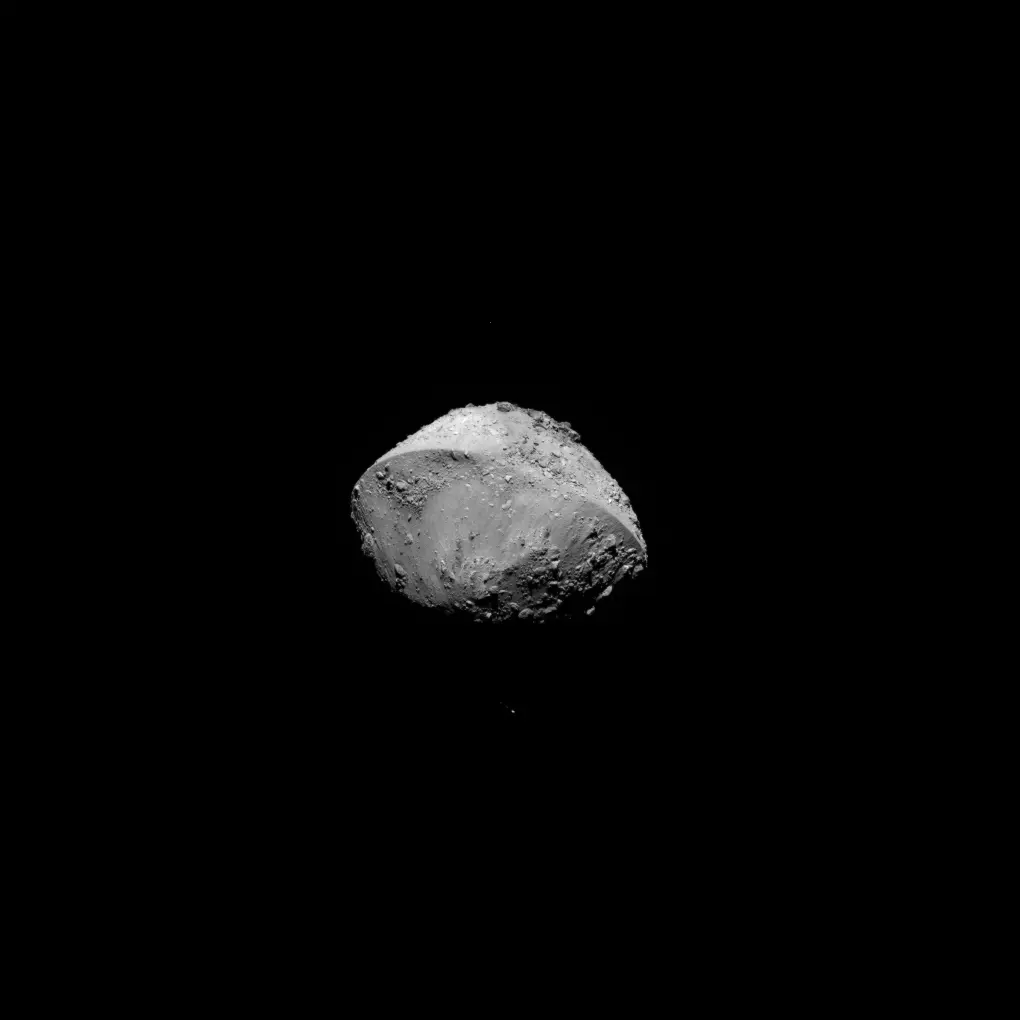
ESA's Hera Probe Uses "Superhuman" Vision to Inspect NASA's Asteroid Crash Site (opens the publisher’s site)
The European Space Agency's Hera mission has arrived at the Dimorphos asteroid to provide detailed imagery and analysis of the impact caused by NASA's DART mission.
other · Universe Today · 9d ago
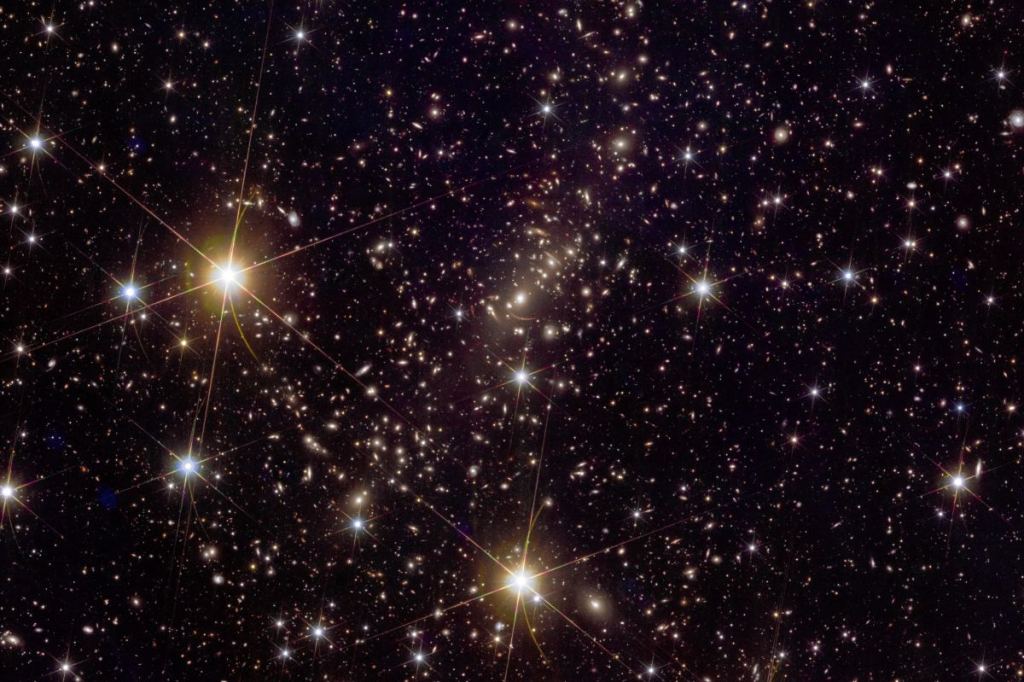
Euclid's Hunt for Strong Gravitational Lenses is Off to a Strong Start (opens the publisher’s site)
The Euclid mission has discovered 15,000 potential strong gravitational lenses in its first data release, aiding the study of dark matter and cosmic expansion.
other · NASA · 9d ago
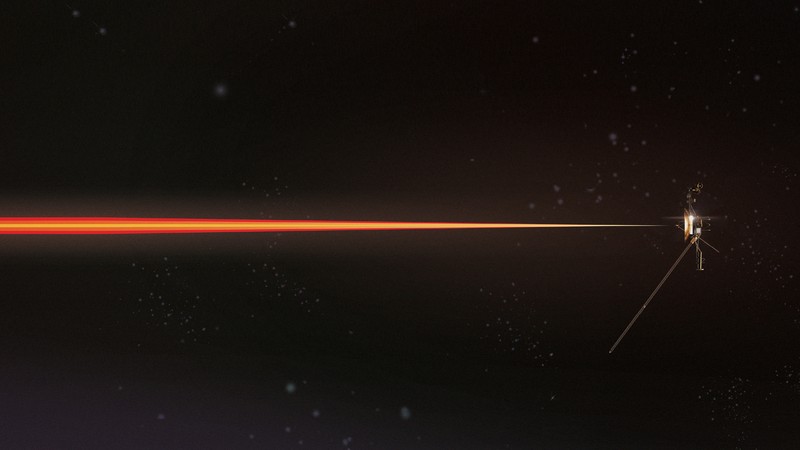
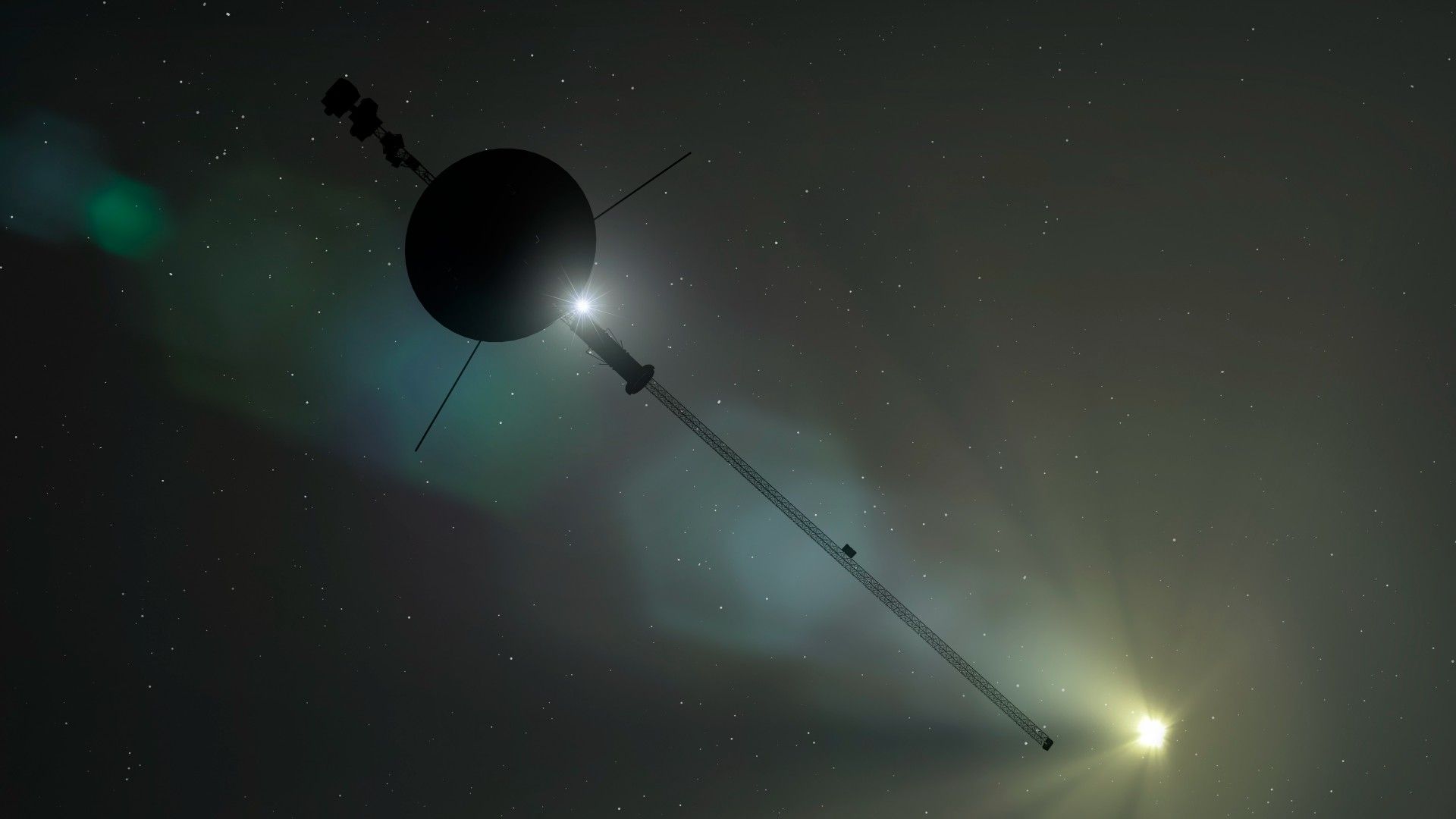
NASA’s Voyager 1 Makes History Reaching One Light-Day From Earth (opens the publisher’s site)
NASA's Voyager 1 spacecraft has reached a distance of one light-day from Earth, approximately 16.1 billion miles, after 49 years of travel.
milestone · NASA JPL · 9d ago
NASA’s Voyager 1 Makes History Reaching One Light-Day from Earth (opens the publisher’s site)
NASA's Voyager 1 probe has reached a historic distance of one light-day from Earth while traveling through interstellar space.
other · ESA · 9d ago
Rain breaks up Earth’s natural sunshades (opens the publisher’s site)
Data from the EarthCARE mission shows that rain is a primary driver in the breakup of bright clouds that reflect sunlight and cool the planet.
other · ESA · 9d ago
Watch live: Hera’s first images of post-impact asteroid Dimorphos (opens the publisher’s site)
The European Space Agency's Hera spacecraft has reached asteroid Dimorphos to study the aftermath of NASA's DART impact mission.
other · Phys.org · 9d ago
Potatoes grown in simulated lunar soil match Earth-grown performance (opens the publisher’s site)
Researchers have demonstrated that potatoes can be grown in simulated lunar soil supplemented with organic matter, achieving yields comparable to those on Earth. This is a key step toward sustainable food production for long-term moon exploration.
other · Phys.org · 10d ago
First lunar-specific ground motion model could guide seismic hazard assessments on moon (opens the publisher’s site)
Researchers have developed a ground motion model specifically for the Moon to help civil engineers assess seismic hazards and design safer structures for future lunar bases.
other · SatNews · 10d ago
NASA’s Voyager 1 Reaches One Light-Day From Earth at 16.1 Billion Miles (opens the publisher’s site)
NASA's Voyager 1 spacecraft has become the first human-made object to reach a distance of one light-day from Earth, approximately 16.1 billion miles away.
other · Phys.org · 10d ago
Webb confirms first-of-its-kind merger of a supergiant and smaller sun-like star (opens the publisher’s site)
Researchers used the James Webb Space Telescope and other observatories to confirm a rare merger between a sun-like star and a supergiant star in the Andromeda galaxy.
other · Phys.org · 10d ago
Spectral clues suggest hollow-core magnetic jet in brightest-ever gamma-ray burst (opens the publisher’s site)
A joint research team from China and Italy analyzed the spectrum of GRB 221009A, suggesting the brightest gamma-ray burst ever observed may have been produced by a magnetically dominated jet with a hollow core.
other · NASA Watch · 10d ago
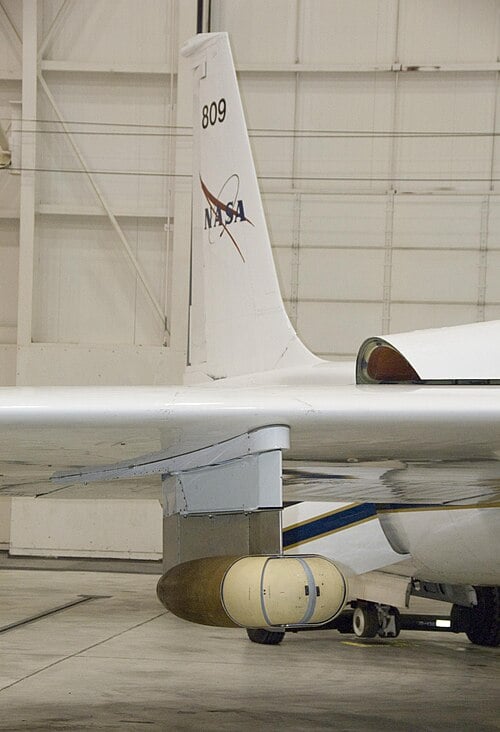
NASA’s Terra Satellite to End Science Operations Dec. 1 (opens the publisher’s site)
NASA will stop collecting science data from the Terra satellite on December 1 after 27 years in orbit. The spacecraft will be decommissioned in January 2027 due to aging systems and orbit drift.
other · Universe Today · 10d ago
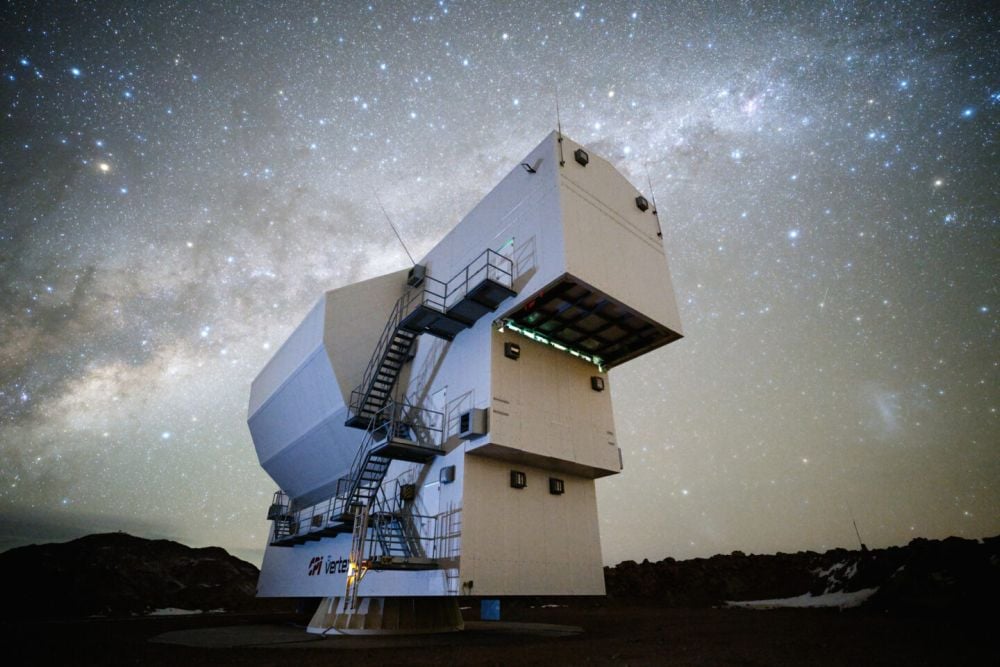
The Simons Observatory is Online and Surveying the Cosmic Microwave Background (opens the publisher’s site)
The Simons Observatory is now operational and surveying the Cosmic Microwave Background to search for primordial gravitational waves as evidence for the Big Bang.
other · Universe Today · 10d ago
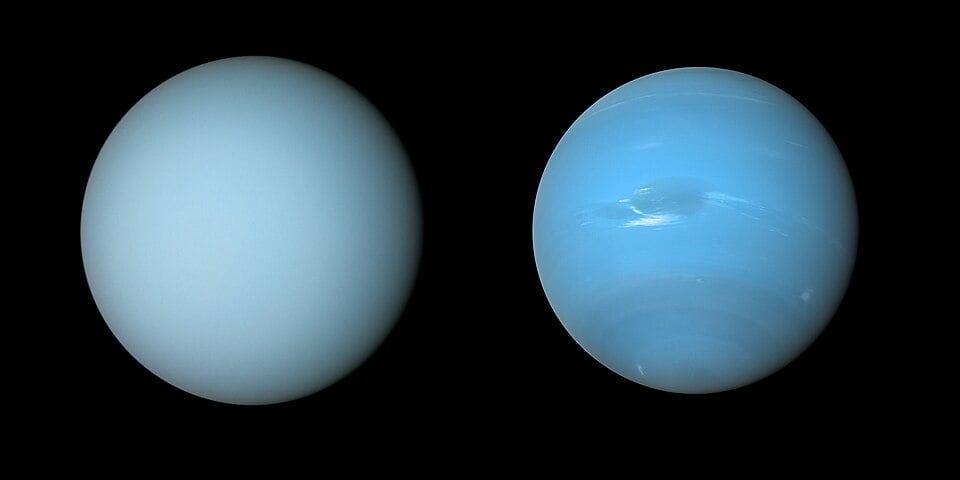
Are Uranus and Neptune Secretly "Rock Giants"? A Noble Gas Might Hold the Answer (opens the publisher’s site)
Researchers propose using the noble gas isotope argon-40 to determine if Uranus and Neptune possess rocky cores beneath their thick atmospheres.
other · Phys.org · 10d ago
Strange radio signals from space could come from a dead star (opens the publisher’s site)
Astronomers are investigating mysterious radio bursts detected near the center of our galaxy between 2002 and 2004, suggesting they may have come from a dead star.
other · Spaceflight Now · 10d ago
NASA’s Voyager 1 is one light-day from Earth (opens the publisher’s site)
NASA's Voyager 1 spacecraft has become the first human-made object to be one light-day away from Earth.
other · Universe Today · 10d ago
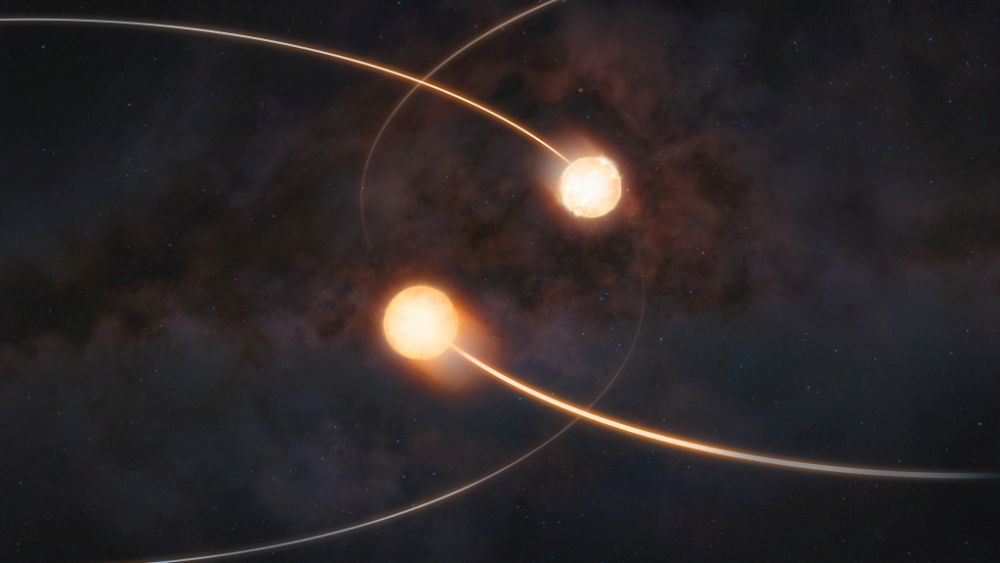
Extremely Accurate Measurements of a Pair of Flaring Red Dwarfs (opens the publisher’s site)
Astronomers used the Very Large Baseline Array to achieve high-precision measurements of a pair of active red dwarfs, including the first accurate measurement of a Complex Periodic Variable star in a binary system.
other · Universe Today · 10d ago
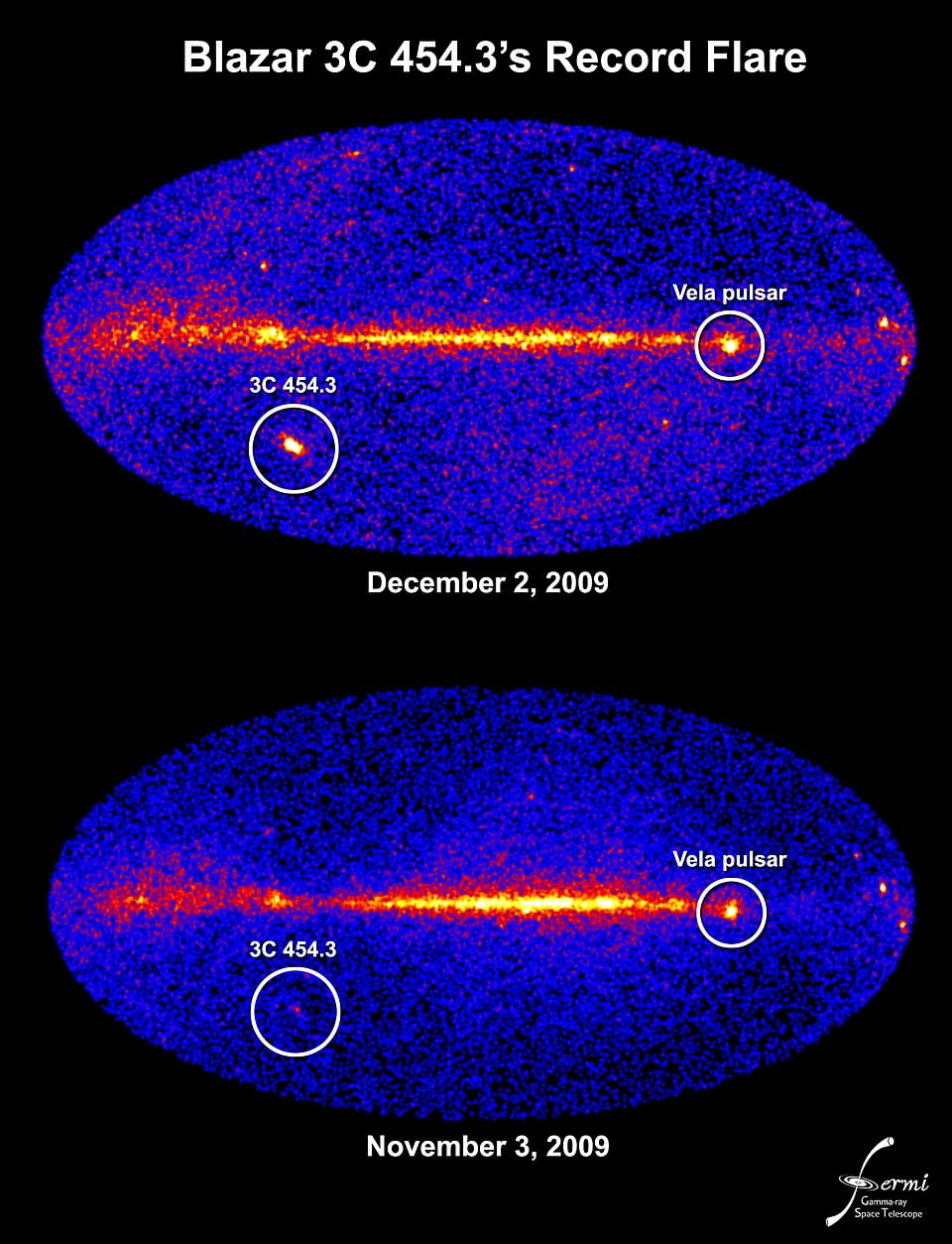
Fermi’s 14-Year All-Sky Map Bridges Astronomy’s Elusive "MeV Gap" (opens the publisher’s site)
Scientists using the Fermi Large Area Telescope have identified 450 cosmic sources in the 20-200 MeV range, providing the clearest view to date of low-energy gamma rays.
other · AAS Nova · 10d ago
JWST-MIRI’s Multidimensional View of Mass Loss in the Irradiated Disks of NGC 1977 (opens the publisher’s site)
Observations from the James Webb Space Telescope show that a protoplanetary disk near the star 42 Orionis has a massive dusty tail, indicating significant mass loss.
other · AAS Nova · 10d ago
A Galaxy’s Ultra-Fast Inflow Comes into Focus (opens the publisher’s site)
Astronomers have observed a rare, persistent ultra-fast inflow of material in the active galaxy ESP 39607.
other · Phys.org · 10d ago
Bouncing sand grains may explain planet-wide dust storms on Mars (opens the publisher’s site)
Researchers suggest that the movement of bouncing sand grains could be the mechanism behind the massive dust storms that periodically cover the entire surface of Mars.
milestone · Phys.org · 10d ago
Voyager 1 spacecraft reaches one light-day milestone (opens the publisher’s site)
NASA's Voyager 1 spacecraft has reached a milestone distance of one light-day away from Earth after nearly 50 years of travel.
other · Universe Today · 10d ago
Microscopic Space Dust Reveals A Hidden Reservoir Of "Heavy Water" Beyond Neptune (opens the publisher’s site)
Researchers from NASA and UCLA analyzed dust grains to discover that a massive reservoir of heavy water existed beyond Neptune during the early stages of the Solar System.
other · Space.com · 10d ago
1 light-day from Earth! NASA's Voyager 1 probe hits huge milestone in interstellar space (opens the publisher’s site)
NASA's Voyager 1 spacecraft has reached a significant milestone, officially crossing the distance of one light-day away from Earth.
other · FreeFall Aerospace · 10d ago
FreeFall Aerospace Co-Founder Dr. Christopher Walker Explores Voyager 1 Milestone in Scientific American (opens the publisher’s site)
Dr. Christopher Walker discusses the Voyager 1 milestone and the LUMEN solar-sail concept in an article for Scientific American.
other · sorae · 11d ago
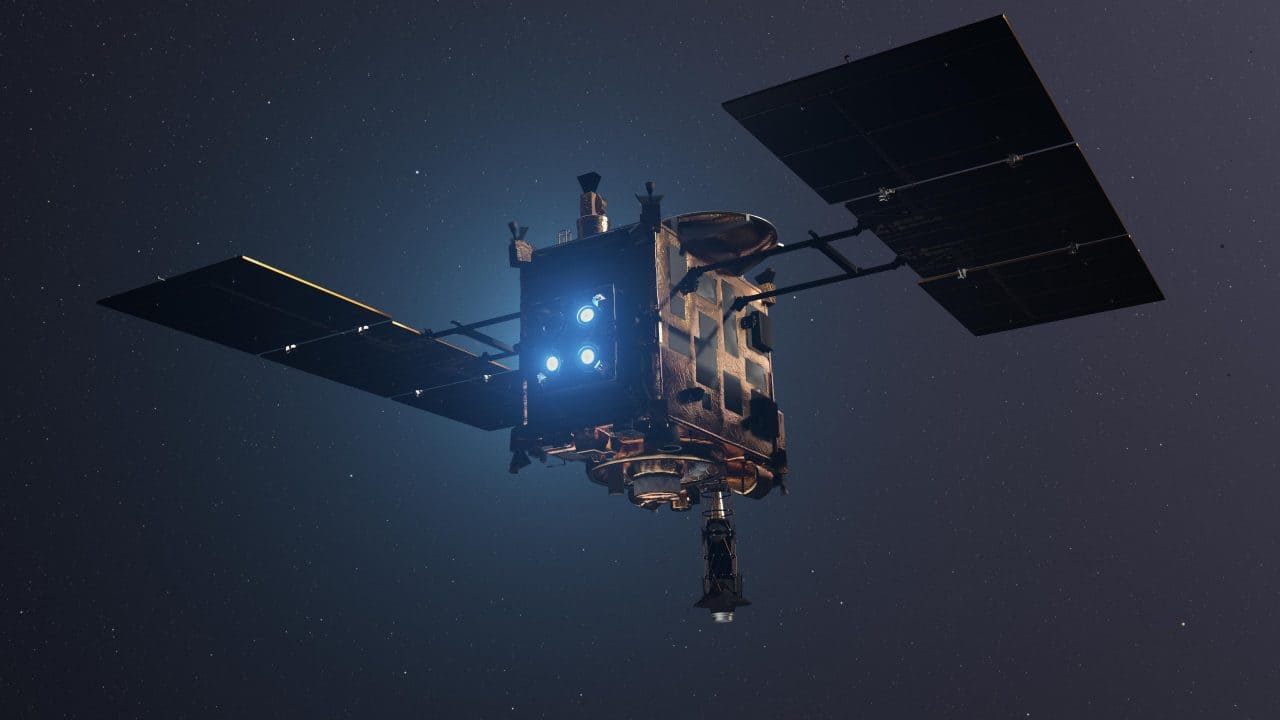
JAXA changes Hayabusa2 extended mission destination due to engine issues (opens the publisher’s site)
JAXA has announced a change in the destination for the Hayabusa2 spacecraft's extended mission because of malfunctions with its ion engine.
other · Universe Today · 11d ago
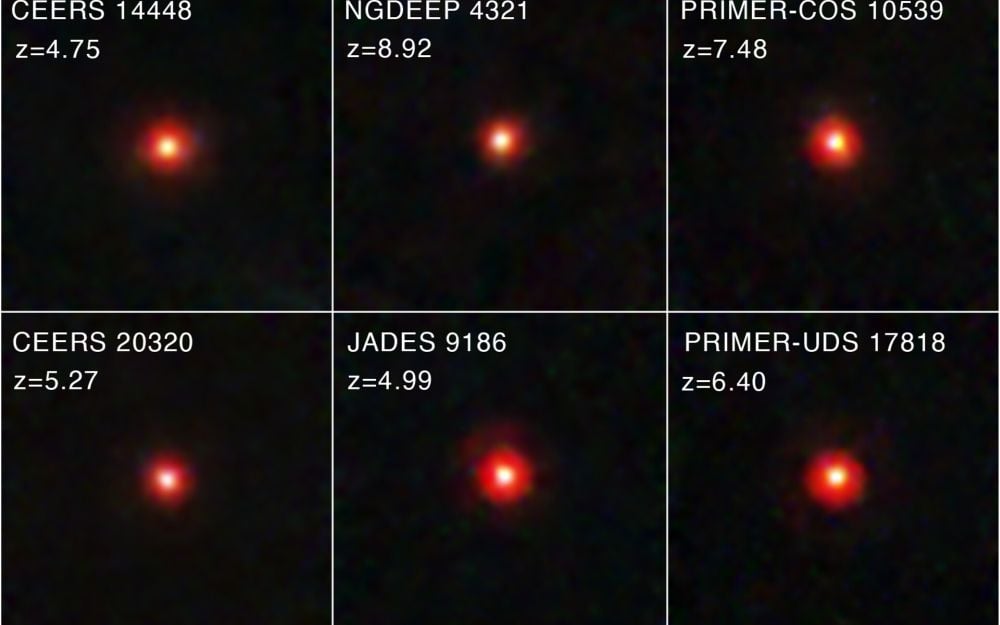
Computer Simulations Provide the Best Explanation for Those "Little Red Dots" Yet! (opens the publisher’s site)
Computer simulations suggest that the 'Little Red Dot' galaxies observed by the James Webb Space Telescope are actually remnants of supermassive primordial stars encased in dense gas.
other · Universe Today · 11d ago
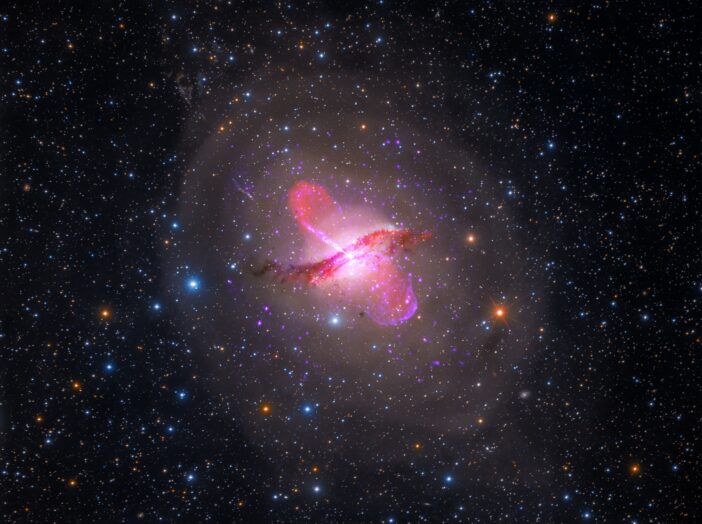
Black Holes and Their Mysterious Bright Structures Explained (opens the publisher’s site)
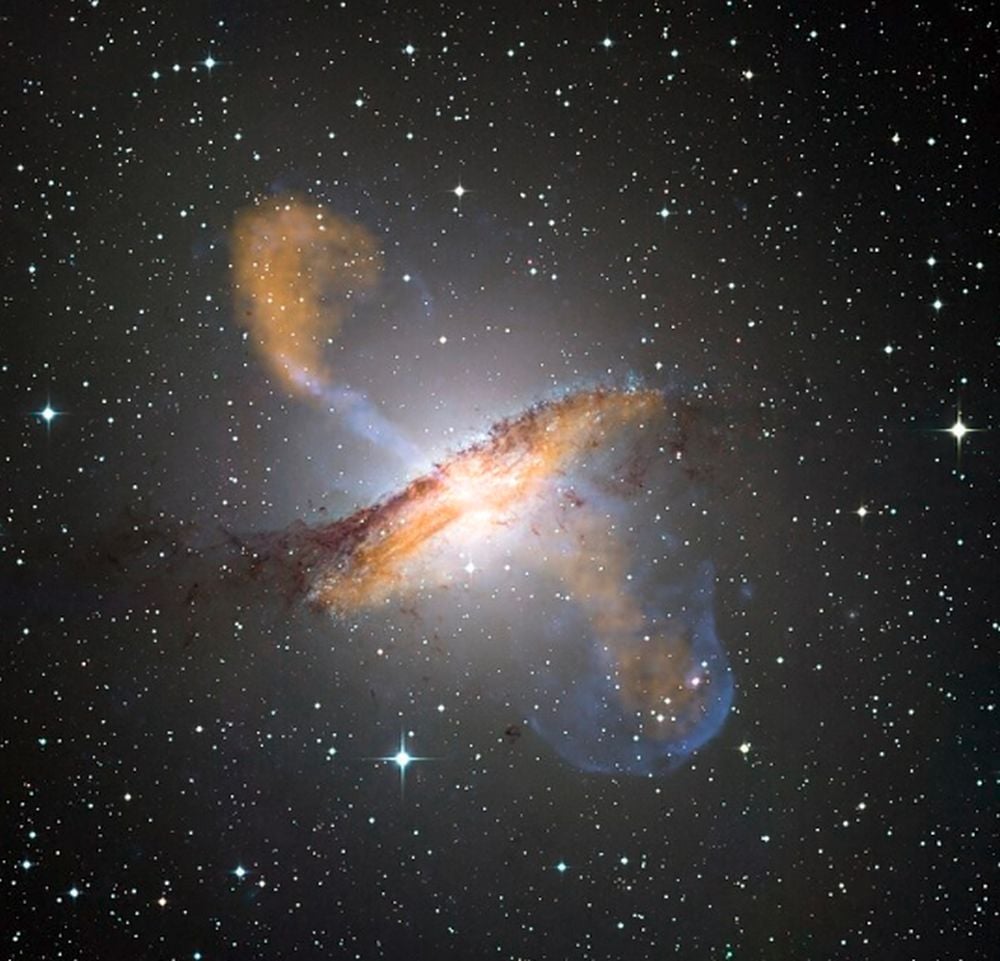
Astrophysicists used plasma physics simulations to explain why black hole jets in Centaurus A and other galaxies are brighter on their edges. The findings may also contribute to the development of fusion power.
other · NASA · 11d ago
NICER Status Updates (opens the publisher’s site)
The Neutron star Interior Composition Explorer (NICER) telescope on the International Space Station has concluded its science operations after six and a half years of study.
other · Universe Today · 11d ago
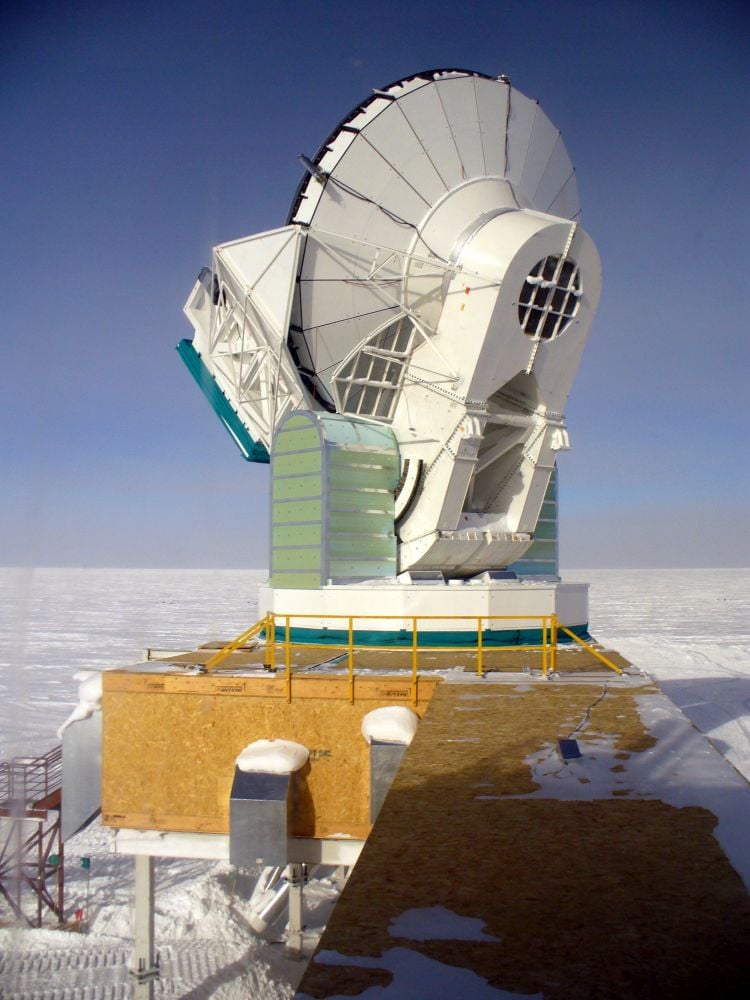
Searching for Elusive Signals in the Cosmic Microwave Background from the South Pole (opens the publisher’s site)
Scientists are using purpose-built tools at the South Pole to analyze the Cosmic Microwave Background to uncover secrets about the foundation of the cosmos.